

Real income happens somewhere else: in the underappreciated affiliate marketing techniques, the rarely discussed levers, the behind-the-curtain mechanics top earners quietly use while everyone else debates niches on social media.
This is the tier of strategy nobody hands out for free. Today, you’re getting it.
Let’s break down the unorthodox—but wildly effective—moves that create disproportionate affiliate revenue without forcing you to triple your workload.

1. The “Micro-Intent Clustering” Technique (Almost Nobody Talks About This)
Most affiliates target broad keywords. That’s the rookie move.
The pros target micro-intent layers—tiny, ultra-specific search behaviors that people exhibit seconds before buying.
Example:
- “best air fryer” = broad
- “air fryer 6qt vs 8qt for 4 people” = micro-intent
- “6qt Ninja AF161 reviews updated 2025” = purchase-stage micro-intent
- “Ninja AF161 replacement basket” = post-purchase micro-intent
Most affiliates only chase the first one. The money is in the rest.
Why this works:
- Micro-intent users are desperate for an answer right now
- They have high intent and low patience
- SEO competition is usually weak or non-existent
- Your content becomes highly relevant in the eyes of search engines
Build clusters around 7–12 micro-intent keywords per product and you suddenly look like an “authority” to the algorithm—even if you’re running a small site. This is how tiny blogs quietly outrank giant brands.

2. Product-Agnostic Soft Recommendations (The Anti-Review That Converts Better)
Everyone does product reviews. Very few do product-agnostic buying guides that shift trust instantly.
These are posts like:
- “How to choose a copper pan for small kitchens”
- “7 must-check features before buying a solar path light”
- “The one mistake people make when choosing a dash cam for RVs”
In these pieces, you’re not pushing a specific product. You’re teaching people how to think like a buyer.
This is a powerful trust accelerator.
Once trust is earned, you can introduce affiliate products gently and they convert at 3x–5x the usual rate.
Why this works: people buy when they feel educated, not when they feel pressured. These guides position you as an advisor, not a salesperson.
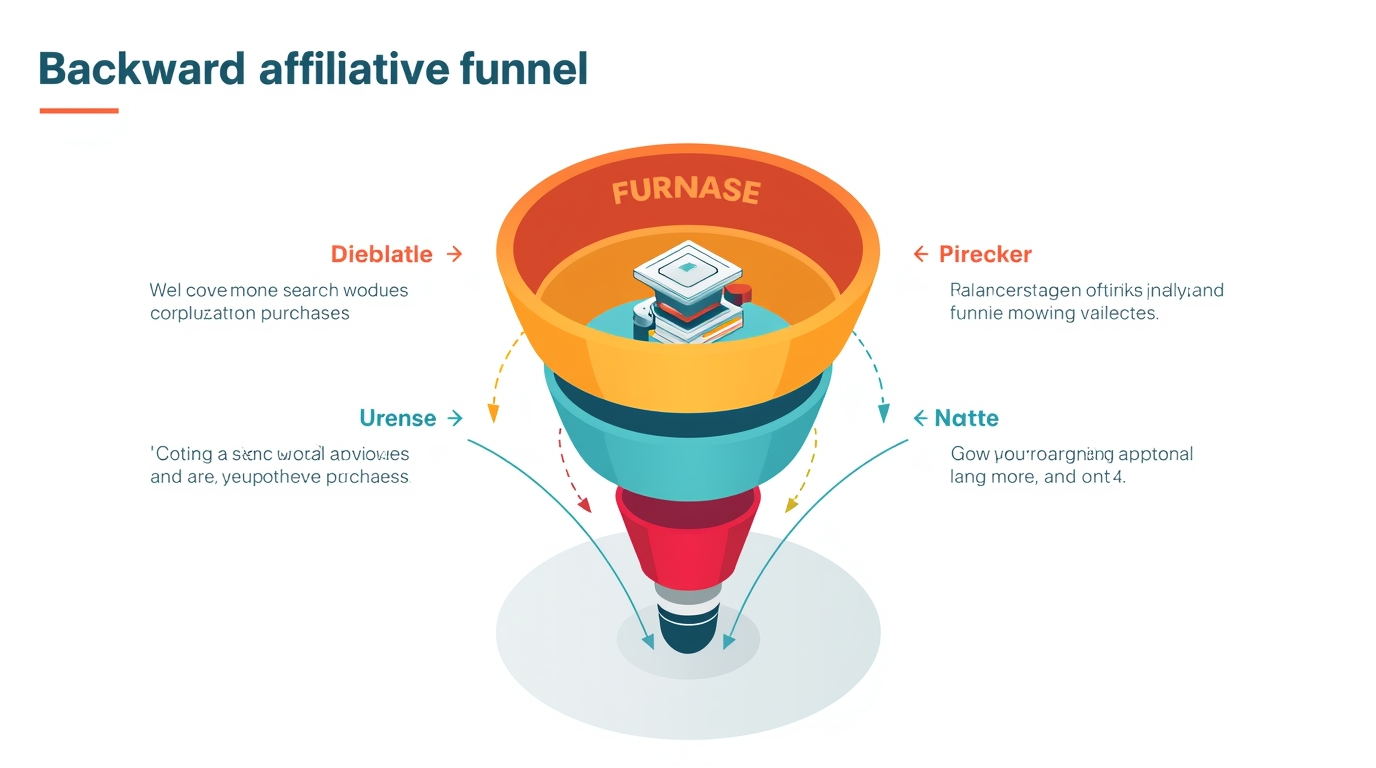
3. Backward Affiliate Funnels (Start With the Purchase, Then Reverse-Engineer the Journey)
Most affiliates start their funnel top-down: awareness → interest → decision → action.
This is slow and inefficient.
The behind-the-curtain method? Reverse it.
Start with the moment of purchase, then reverse-engineer the 3–5 questions your buyer asks right before clicking “Buy.”
For example, someone about to buy a skincare product might be thinking:
- “Will this irritate sensitive skin?”
- “Is this better than CeraVe?”
- “Has the formula changed recently?”
Each question becomes a standalone article, video, or short-form content piece—optimized for rapid conversion.
You’re not generating random content anymore. You’re building precise touchpoints that intercept the buyer seconds before the sale. This is how small affiliate sites generate recurring high-ticket sales without massive traffic.
4. The “Is It Worth It in 2025?” Framework (Stupid Simple, Shockingly Effective)
One of the most underappreciated affiliate marketing techniques right now is the “Is It Worth It?” article.
Examples:
- “Is GotBackup Worth It in 2025?”
- “Is Carote Cookware Worth It?”
- “Is Solar Path Lighting Still Worth It This Year?”
Why this works:
- It attracts people in the decision stage
- It includes built-in urgency via the year
- It taps into fear of wasting money
- It’s perfect for SEO, social media, and YouTube titles
Add yearly freshness (2025, 2026, etc.) and you become the “latest info” source search engines love. These posts quietly outperform traditional reviews in both traffic and sales.

5. The Contrarian CTA (A Psychological Hack Elite Affiliates Use)
Most calls to action are predictable:
- “Click here to buy”
- “Check price on Amazon”
- “Read the reviews”
The unorthodox version? Flip the narrative.
Use CTAs like:
- “This product isn’t perfect, but here’s why I still recommend it…”
- “If you’re the type of person who hates wasting money, start with this version…”
- “This isn’t for everyone. If you’re in a rush, this is the model you won’t regret.”
These CTAs outperform traditional ones because they:
- reduce skepticism
- increase trust
- sound like advice, not pressure
- break “sales pitch pattern recognition”
Simple, clever, and highly effective.

6. The Hidden Post-Purchase Affiliate Layer (The Silent Moneymaker)
Most affiliates only target pre-purchase queries.
Smart affiliates target post-purchase queries too, such as:
- accessories
- upgrades
- repairs
- consumables
- replacements
- troubleshooting
- add-ons
Examples:
- “Best replacement lids for Carote pans”
- “Ninja blender motor smells burnt—fixes & replacements”
- “Top solar path light stakes that don’t break”
These pages convert extremely well because:
- there’s almost zero competition
- the buyer already owns the product
- they’re in a high-intent problem state
Done right, affiliate revenue becomes recurring instead of one-time.

7. “Authority-As-A-Service” Content (Most Affiliates Never Do This)
This is an advanced but underused method where you create expert positioning assets, not just generic affiliate content.
These include:
- comparison matrices
- “expert picks” roundups
- troubleshooting flowcharts
- buyer decision trees
- upgrade paths
- usage optimization guides
These aren’t fluffy blog posts. They’re tools, and search engines love tools.
Why? Tools keep users on your site longer. More time on page means higher rankings and more conversions. This approach builds trust faster than any traditional review.
8. Preloaded Trust Anchors (The Invisible Credibility Hack)
Most affiliates ignore trust-building completely.
Top earners deliberately add trust anchors early in the article:
- “After testing this for 3 weeks…”
- “I compared 7 models for this guide…”
- “I bought this because…”
- “The biggest surprise was…”
- “Here’s what I didn’t expect…”
These phrases transform you from “random blogger” into a “trusted evaluator.” No fancy design required. Just intentional positioning.

9. Outlier Content That Pops (Unorthodox Formats That Pull Traffic Fast)
There are certain “weird” content formats most affiliates ignore—but they drive serious traffic because they stand out.
Examples:
- “What I wish I knew before buying [product]”
- “Why this $29 item outperforms a $199 competitor”
- “I tested the TikTok-viral [product]—here’s the truth”
- “3 things I regret about buying [product]”
- “The feature nobody talks about on [brand]”
These formats work because they:
- break the usual content pattern
- feel honest and personal
- create emotional tension
- spark curiosity loops
Behavioral metrics are strong, so search engines tend to reward this kind of content with better visibility. Most affiliates never touch this because they stay stuck in standard “best X for Y” templates.
10. The “Hybrid Affiliate System” (Part Review, Part Story, Part Mentor)
The most underappreciated technique in the entire game is story-driven affiliate content.
Not fiction—micro-stories:
- a quick anecdote about a buying mistake
- a one-sentence lesson learned
- a moment of confusion or frustration
- a result the user actually got
- an expectation versus reality moment
This single shift does three things:
- builds emotional connection
- reduces resistance
- boosts trust signals
People buy from humans, not robots. Inject storytelling into your affiliate content and your conversions often jump immediately.

A Smarter, Quieter, Higher-ROI Way to Do Affiliate Marketing
The best affiliate marketers aren’t louder—they’re smarter. They rely on nuance, positioning, psychology, and timing… not brute force tactics.
The underappreciated affiliate marketing techniques above work because they cut through noise and align with real buyer behavior:
- micro-intent instead of generic traffic
- education instead of pressure
- risk reduction instead of hype
- story and context instead of sterile reviews
You don’t necessarily need more traffic. You need more precision.
When you implement even a few of these strategies, you stop chasing clicks and start engineering conversions. That’s the difference between a blog that struggles and one that evolves into a predictable revenue engine.
Frequently Asked Questions About Underappreciated Affiliate Marketing Techniques

Are these underappreciated affiliate marketing techniques suitable for beginners?
Yes. While some of these strategies sound advanced, beginners can apply simplified versions right away. Start with micro-intent content, product-agnostic guides, and “Is it worth it?” posts, then layer in more complex frameworks as your site grows.
How long does it take to see results from these lesser-known strategies?
It depends on your niche and domain strength, but many affiliates begin seeing measurable improvements—higher click-through rates and better conversions—within a few weeks of publishing micro-intent content and trust-driven articles, even before massive traffic growth.
Do I need a large audience for these techniques to work?
No. These underappreciated methods are designed to extract more value from small but highly targeted audiences. Even low-volume keywords and small email lists can generate strong revenue when intent and trust are dialed in.
Which technique should I implement first for the highest impact?
If you want fast leverage, start by mapping micro-intent keywords around your top products and creating “Is it worth it in [current year]?” style content. These pieces often hit a sweet spot of intent, relevance, and low competition.