

Affiliate Marketing for Beginners With No Audience The Complete Guide
Affiliate marketing for beginners with no audience feels like showing up to a party where you don’t know anyone. Awkward, right? You’ve read the success stories. You’ve seen screenshots of people earning $10K months. But here’s the gut punch: they all seem to have massive followings, email lists, or YouTube channels with hundreds of thousands of subscribers.
And there you are, staring at your zero-follower Instagram account wondering if this whole “passive income for beginners” thing is just another internet fairy tale. I get it. I started with literally nothing—no blog, no social media presence, not even a clue about how affiliate links work.
But here’s what nobody tells you: some of the most successful affiliate marketers I know started exactly where you are right now. This guide will show you the exact strategies that work when you’re building from scratch. No fluff, no fake promises—just the real playbook.
Table of Contents
- What Is Affiliate Marketing for Beginners With No Audience?
- Why No Audience Isn’t the Dealbreaker You Think
- 5 Proven Strategies to Start Without an Audience
- The Tools You Actually Need
- Common Mistakes Beginners Make
- How Long Until You See Real Results?
- Frequently Asked Questions
- My Top Recommended Gear
What Is Affiliate Marketing for Beginners With No Audience?
Affiliate marketing for beginners with no audience means promoting products and earning commissions without relying on an existing following. Instead of broadcasting to fans you’ve already cultivated, you leverage search engines, content platforms, paid ads, and community engagement to reach potential buyers directly. The traffic comes to your content—not from your subscriber count.
Think of it this way: traditional influencer marketing requires an audience. Affiliate marketing? It requires traffic. And traffic can come from dozens of sources that have nothing to do with how many people follow you.
If you want to understand what affiliate marketing really is at its core, it’s essentially being a digital middleman. A company has products. Customers want those products. You connect them and take a cut. Simple as that.
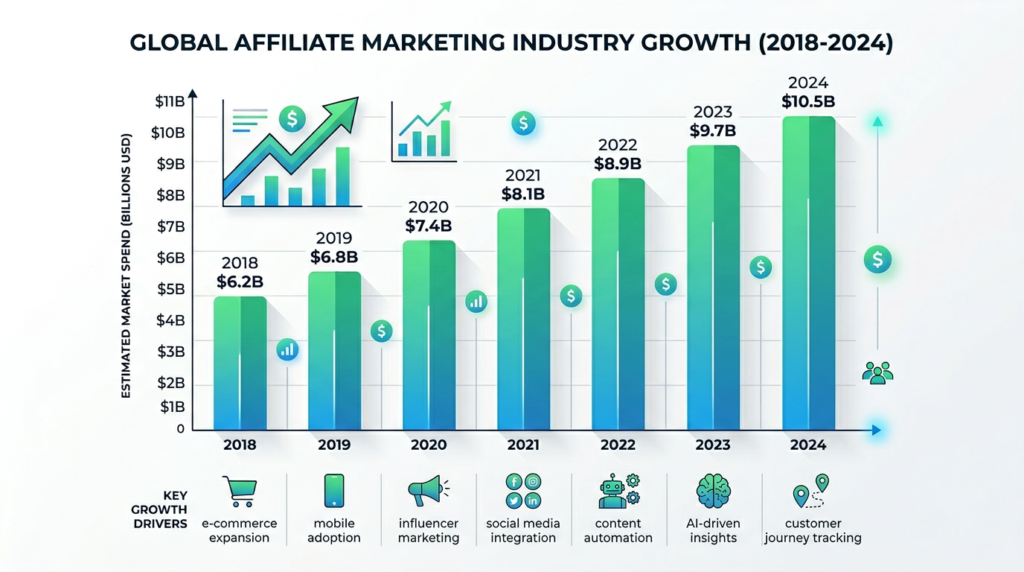
According to Statista, affiliate marketing spending in the U.S. alone reached over $8 billion in 2022 and continues growing annually. That’s a massive pie, and you don’t need followers to grab your slice.
Why No Audience Isn’t the Dealbreaker You Think
Here’s a myth I need to bust immediately: having a huge audience doesn’t guarantee affiliate success. I’ve seen influencers with 500K followers struggle to convert, while anonymous bloggers quietly rake in commissions from SEO traffic.
The reason? Audience size matters far less than buyer intent. Someone searching “best running shoes for flat feet” on Google has their wallet mentally open. They’re actively looking to solve a problem. Compare that to someone mindlessly scrolling Instagram who sees your affiliate post between memes and vacation photos.
Search traffic converts because people arrive with intent. Social media followers? They’re often there for entertainment, not shopping. This is why beginner affiliate marketing through content and SEO often outperforms influencer strategies.
Here’s what the data shows: organic search traffic typically converts at 2-5%, while social media traffic hovers around 0.5-1%. That’s a massive difference when you’re trying to make money online.
5 Proven Strategies to Start Affiliate Marketing Without an Audience
1. Build an SEO-Focused Niche Website
This remains the gold standard for no-audience affiliate marketing. You create a website targeting specific keywords, write helpful content, and let Google send you free traffic. The beauty? Google doesn’t care if you have followers—it cares if your content answers search queries.
Start by picking a niche you can write about consistently. Research low-competition keywords using free tools like Ubersuggest or Google’s own “People Also Ask” sections. Then create genuinely useful content that helps people make buying decisions.
Understanding how affiliate links work is crucial here. You’ll embed these links naturally within product reviews, comparison posts, and buying guides.
2. Leverage YouTube (Without Showing Your Face)
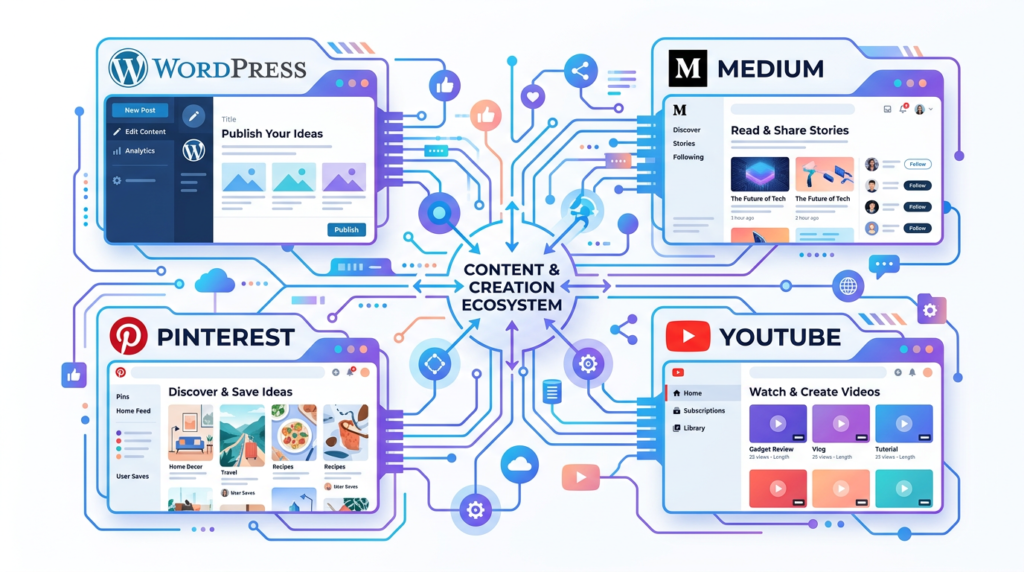
YouTube isn’t just for vloggers and reaction channels. Faceless YouTube channels covering product reviews, tutorials, and “best of” lists generate millions of views—and affiliate commissions. Screen recordings, stock footage, and slideshow-style videos work surprisingly well.
The algorithm favors watch time and engagement, not subscriber counts. A video targeting “best budget mechanical keyboards 2025” can rank and generate traffic regardless of your channel size. IMO, this is one of the most underrated strategies right now.
3. Write on Medium and Other Publishing Platforms
Medium, HubPages, and similar platforms already have built-in audiences and domain authority. You can publish affiliate content there and piggyback on their SEO power while building your reputation.
The trade-off? You don’t own the platform. But for beginners testing niches and learning the ropes, these sites offer a low-risk entry point into content marketing.
4. Master Pinterest for Product Discovery
Pinterest functions more like a visual search engine than a social network. Users actively search for products, ideas, and solutions—making it perfect for affiliate marketing tips and product recommendations.
Create eye-catching pins linking to your blog posts or directly to affiliate offers (where allowed). Pinterest rewards consistency over follower counts, and pins can drive traffic for years after posting.
5. Use Paid Advertising Strategically
If you have even a small budget, paid ads let you skip the audience-building phase entirely. Facebook Ads, Google Ads, and native advertising platforms can put your affiliate offers in front of buyers immediately.
The catch? You need to understand your numbers. If you’re earning $20 per sale, you can’t spend $25 acquiring each customer. Start small, test aggressively, and scale what works. The FTC’s endorsement guidelines also require proper disclosure on paid promotions—don’t skip this.
The Tools You Actually Need (Not the Overpriced Garbage)
The affiliate marketing tool market is flooded with expensive software promising overnight success. Spoiler alert: most of it is unnecessary for beginners. Here’s what actually moves the needle when you’re starting out.
For website hosting, you need something reliable but affordable. Bluehost, SiteGround, or Hostinger all work fine. WordPress remains the platform of choice because of its flexibility and plugin ecosystem. Total cost? Under $100 for your first year.
Keyword research tools matter, but free options work initially. Google Keyword Planner, AnswerThePublic, and Ubersuggest’s free tier provide enough data to find winnable keywords. Upgrade to Ahrefs or SEMrush later when you’re actually making money.
Email marketing? Start with Mailchimp’s free plan or ConvertKit. Building an email list creates an asset you own—unlike social media followers who can disappear with an algorithm change.
Expert Commentary: This walkthrough covers the fundamental concepts every beginner needs before launching their first affiliate campaign—worth watching before you spend a single dollar.
Common Mistakes Beginners Make (And How to Dodge Them)
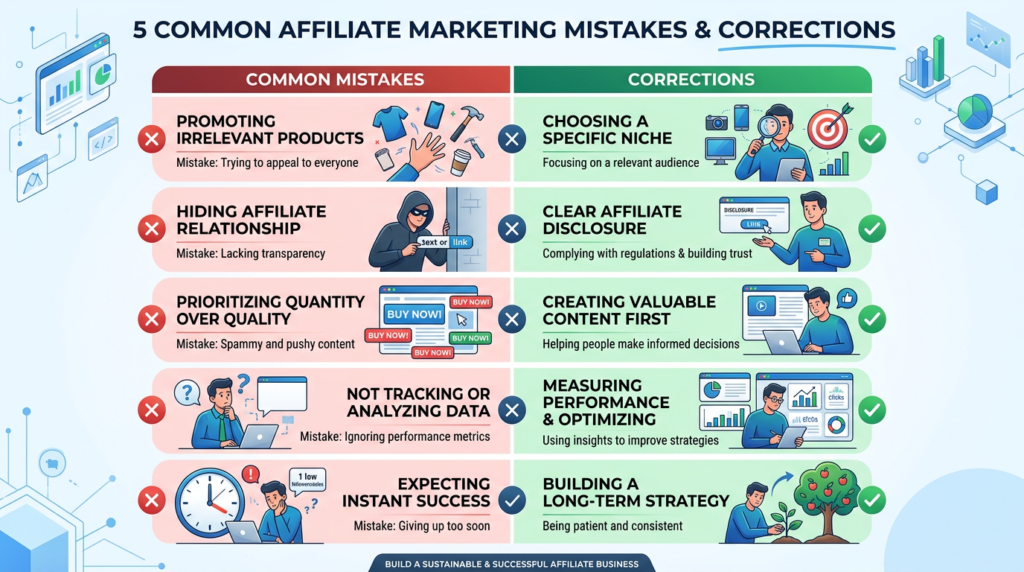
I’ve watched hundreds of beginners crash and burn in affiliate marketing. The patterns repeat so consistently it’s almost predictable. Here are the landmines to avoid.
Mistake #1: Promoting too many products. New affiliates often sign up for every program available and promote random stuff. This scatters your authority and confuses readers. Pick 3-5 core products in your niche and go deep.
Mistake #2: Ignoring content quality for quantity. Publishing 50 garbage articles won’t outperform 10 exceptional ones. Google’s helpful content guidelines explicitly reward depth over volume. Write for humans first, search engines second.
Mistake #3: Not tracking anything. If you don’t know which content generates clicks and conversions, you’re flying blind. Use UTM parameters, check your affiliate dashboard religiously, and actually analyze what’s working.
For a deeper exploration of pitfalls to avoid, check out our guide on common beginner mistakes that kill campaigns before they start.
How Long Until You See Real Results?
Let’s get real about timelines because the “quit your job in 30 days” crowd has poisoned expectations. Honest answer? Most beginners see their first meaningful commissions between months 3-6 when using organic content strategies.
SEO takes time to compound. Your first articles might sit in Google’s sandbox for weeks before ranking. But once the momentum builds, it snowballs. Articles I wrote two years ago still generate commissions today while I sleep. That’s actual passive income for beginners—not the fake kind sold by course creators.
Paid advertising accelerates results but requires capital and expertise. Expect to lose money initially while you learn. The winners figure out what converts, then scale aggressively. The losers blow their budget without testing properly 🙂
According to research from Business.com, successful affiliate marketers typically spend 6-12 months building their foundation before achieving consistent income. Plan accordingly.
If you’re just getting started and need a complete roadmap, our affiliate marketing for beginners guide breaks down the entire process step-by-step.
Frequently Asked Questions
Can you do affiliate marketing with zero followers?
Yes, you can absolutely start affiliate marketing with zero followers. Many successful affiliates use SEO, paid advertising, forum marketing, and content platforms like Medium or YouTube to generate traffic without building a traditional audience first. Followers help but aren’t required.
How long does it take to make money with affiliate marketing as a beginner?
Most beginners see their first commission within 3-6 months when using organic strategies like SEO and content marketing. Paid advertising can generate results faster, sometimes within weeks, but requires upfront investment and testing budget.
What is the best affiliate program for beginners with no audience?
Amazon Associates is ideal for beginners because of its low entry barrier, trusted brand recognition, and massive product selection. ShareASale and ClickBank also offer beginner-friendly programs with various commission structures and easier approval processes.
Do I need a website to start affiliate marketing?
No, you don’t need a website to start. You can use YouTube, Medium, Pinterest, Quora, or email marketing. However, having your own website gives you more control, credibility, and long-term asset value. Most serious affiliates eventually build their own sites.
My Top Recommended Gear
After testing dozens of tools and products, here’s what I personally use and recommend for anyone serious about affiliate marketing. These links are affiliate links, meaning I earn a small commission if you purchase through them at no extra cost to you.
- Logitech MX Keys Keyboard – When you’re writing thousands of words weekly, a quality keyboard matters. This one has perfect key travel and won’t destroy your wrists.
- LG 27″ 4K Monitor – Screen real estate is productivity. Running research, your CMS, and analytics dashboards simultaneously becomes effortless with proper screen space.
- Blue Yeti X Microphone – If you’re creating YouTube content or podcasts for your affiliate strategy, this delivers professional audio quality without the professional price tag.
Affiliate Disclosure: This post contains affiliate links. If you click through and make a purchase, I may receive a commission at no additional cost to you. I only recommend products I personally use and believe will add value to my readers. For more information, please read our full disclosure policy. This site complies with FTC guidelines regarding affiliate endorsements.
© 2026 Affiliates Haven. All rights reserved.