
Affiliate Link Tracking: Stop Losing Commissions—Track Every Click Properly
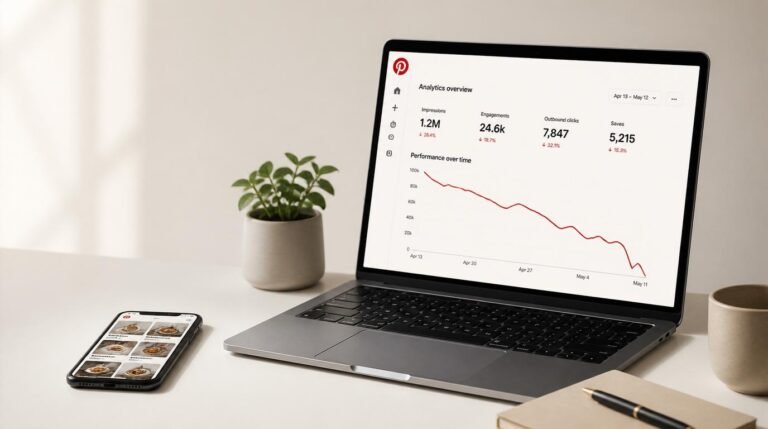
Imagine Mark, a diligent creator who spent weeks perfecting a product review. He funneled thousands of eager readers to a new gadget, expecting a massive payday. Sadly, he found a depressing zero in his account because his technical setup failed him. His dashboard remained as empty as a stadium after a losing game, all because he ignored the plumbing of his business.
This tragedy is common in the online world. Some programs convert like wildfire, while others barely move the needle despite receiving similar traffic. To make meaningful changes and stop wasting your energy, you must become an expert in your own data. Watching the numbers is the only way to distinguish a winning campaign from a total dud.
To succeed, you should launch your digital venture with a solid plan to avoid rookie mistakes. Mastering affiliate marketing tracking ensures you stop leaving money on the table for others to grab. Precision is your best friend when you want to scale your earnings and secure your future.
Table of Contents
Key Takeaways
- Identify high-performing offers quickly to maximize your revenue.
- Stop losing money from broken or dead URLs in your content.
- Pinpoint exactly where your most valuable traffic originates.
- Use real-time data to refine and sharpen your marketing strategy.
- Scale your business by focusing only on what actually works.
- Ensure every click you generate is properly recorded by the vendor.
What is Affiliate Link Tracking?
Affiliate link tracking is key to a good affiliate marketing plan. It shows how well campaigns are doing. It tracks affiliate links to see who’s bringing in leads, sales, or traffic.
Definition of Affiliate Link Tracking
Tracking affiliate links means watching and recording what happens with them. These links have special codes that help track who’s doing what. This way, affiliates get credit for their work, and marketers can see if their money is worth it.
A marketing pro said, “Good tracking is the base of successful affiliate marketing.” This shows how important tracking is in affiliate marketing.
Importance of Tracking Links
Tracking links is vital for a few reasons. First, it lets marketers see how well their programs are doing. By looking at the data, they can find out who’s doing best and what’s working. Second, it makes sure the right affiliate gets paid for their work. This keeps the relationship between marketers and affiliates strong and encourages them to keep promoting.
- Measure campaign effectiveness
- Attribute sales or leads correctly
- Optimize marketing strategies based on data
How It Works
Affiliate link tracking uses special URLs or codes in affiliate links. When someone clicks on a link, the code is recorded. This lets the network or marketer see what the user does next. They might buy something, sign up for a newsletter, or download a file. The data helps figure out how well the campaign is doing.
The steps are:
- Affiliates get unique tracking links.
- Users click on these links and go to the marketer’s site.
- The tracking code logs what the user does.
- Data is analyzed to see how well the campaign did and who should get credit.
Why You’re Losing Money Without Proper Tracking
Without a good affiliate link tracking system, you’re flying blind. This can lead to big losses in revenue. It also makes it hard to pay your affiliates right.
Accurate attribution is key in affiliate marketing. It makes sure affiliates get paid for their work. Without it, you might lose money because of uncredited sales or wrong commissions.
The Cost of Ignoring Click Data
Ignoring click data can cost you a lot. It makes it hard to monitor link performance and make smart decisions. Without tracking, you miss out on important insights into your link’s performance.
For example, without tracking, you can’t tell who made a sale. This means lost commissions and wrong data. It can also hurt your relationships with affiliates and make your program less effective. To learn more about affiliate tracking, check out Impact.com’s guide.
Understanding Attribution in Commissions
Attribution in commissions means giving credit for a sale to the right affiliate. It’s important for fair pay. Good affiliate link management tracks clicks and sees how they turn into sales and commissions.
With a strong tracking system, you can pay your affiliates right. This keeps your affiliate marketing healthy and productive. It also builds trust and openness in your network.
Essential Tools for Affiliate Link Tracking
Affiliate marketers know that tracking links is key. But, the right software can make a big difference. With so many tools out there, picking the best one can be tough. The right tool can help you manage and improve your affiliate campaigns.
Top Tracking Software Recommendations
Several software solutions are top picks for their features and ease of use. ThirstyAffiliates and Rewardful are highly recommended. They offer great tracking and are easy to use. For more details, check out top affiliate tracker tools.
When picking a tracking software, look for these features:
- Link cloaking and redirection
- Detailed click analytics
- Integration with existing platforms (e.g., WordPress)
- Customizable reports
| Software | Key Features | User Rating |
|---|---|---|
| ThirstyAffiliates | Link cloaking, detailed analytics | 4.5/5 |
| Rewardful | Affiliate tracking, customizable reports | 4.8/5 |
| Google Analytics | Campaign tracking, conversion analysis | 4.5/5 |
Plugins for WordPress Users
WordPress users can use plugins like ThirstyAffiliates. They make it easy to manage affiliate links from your dashboard. Other plugins offer link cloaking and advanced analytics.
Measuring Success with Analytics
Tracking your affiliate campaign’s success is key. Tools like Google Analytics offer deep insights. By tracking metrics like click-through rates and earnings per click, you can improve your strategies. For more tools and resources, visit affiliate tools.
Setting Up Your Affiliate Links for Success
Setting up affiliate links right is key to tracking and improving your marketing. A good affiliate link helps organize your campaigns and makes things easier for users.
Best Practices for Link Creation
When making affiliate links, it’s important to keep them clear and easy to use. Use descriptive URLs that show what you’re promoting. This makes people more likely to click on them.
Don’t make URLs too long or complicated. Go for clean and concise URLs that are simple to remember and share. This makes tracking and analyzing easier and better for users.
URL Shorteners: Yay or Nay?
URL shorteners can help make long affiliate links shorter and easier to share. But, they might make people doubt where the link really goes.
If you use URL shorteners, pick a good one that gives you analytics and is open about what it does. Some even let you make links that look like they’re from you, which can help your brand.
SEO Considerations
Think about how your affiliate links might affect your SEO. Avoid over-optimizing your links with keywords because it can look spammy to search engines. Instead, aim for links that naturally fit with your content and add value.
Make sure your affiliate links are properly disclosed to follow search engine rules and laws. Being open with your audience helps keep their trust and avoids trouble.
By sticking to these tips and thinking about URL shorteners and SEO, you can make your affiliate links work better. This will help your marketing and make things better for your users.
The Impact of Click Fraud on Your Earnings
Affiliate marketing faces threats from click fraud, a harmful practice that can cut into your profits. It happens when fake clicks are counted as real, hurting your earnings.
It’s key for affiliate marketers to grasp the details of click fraud. Losing money is just part of it. Keeping your marketing efforts honest is also important.
What Is Click Fraud?
Click fraud is when someone artificially boosts the number of clicks on affiliate links. This is often done with bad intentions. It can be through automated scripts or by paying people to click.
Types of Click Fraud:
- Bot-driven clicks
- Manual clicking by individuals
- Click farms
Ways to Detect Click Fraud
To spot click fraud, you need to watch your traffic and use fraud tools. Here are some tips to help you:
- Keep an eye on traffic for odd patterns
- Use fraud detection software
- Look at click-through and conversion rates
Experts say, “Finding click fraud isn’t a one-off job. It’s an ongoing task that needs constant checking and analysis.”
“The best way to fight click fraud is to stay alert and use different tools and methods together.”
By learning about click fraud and using detection methods, you can safeguard your income. This keeps your affiliate marketing honest and effective.
The Art of A/B Testing Your Affiliate Links
To make more money, affiliate marketers must learn about A/B testing their links. A/B testing, or split testing, compares two versions of a webpage or link to see which one works better.
This method helps marketers make choices based on data, not just guesses. By testing affiliate links, they can find out which ones get more clicks and sales.
What Is A/B Testing?
A/B testing means making two or more versions of a link, changing things like where it’s placed or what it says. These versions are shown to the same people, and their success is compared.
For example, an affiliate marketer might test “Buy Now” against “Learn More” to see which gets more clicks. By looking at the results, they can make their links better.

How to Conduct A/B Tests on Links
To do A/B tests on affiliate links well, follow these steps:
- Choose what you want to test (like the link text or design).
- Make two or more versions of your link, changing only what you’re testing.
- Use a tool to track how each link does.
- Run the test at the same time to avoid outside effects.
- Look at the results to see which link did better.
- Use the better link and keep testing other things to get even better results.
By using A/B testing for affiliate links, marketers can greatly improve how their links perform and increase their earnings.
Analyzing Your Click Data Effectively
Understanding your click data is key to success in affiliate marketing. It helps you earn more and improve your strategies.
Key Metrics to Track
There are important key metrics to watch when analyzing click data. These include:
- Earnings Per Click (EPC): This shows how much you earn from each click. It’s a key indicator of your campaign’s success.
- Conversion Rates: This metric tells you how many clicks lead to sales or actions. It shows how well your links work.
- Click-Through Rates (CTR): CTR shows the percentage of clicks on your links. It measures how engaging your content is.
“The most important thing in affiliate marketing is to track your results and adjust your strategy.” –
Tools for Data Analysis
To track these metrics well, you need the right tools. Some top tools are:
- Google Analytics: It gives detailed insights into your website traffic, including click data and conversion rates.
- Affiliate Network Dashboards: Most networks have dashboards that track your link performance, including EPC and conversion rates.
| Tool | EPC Tracking | Conversion Rate Tracking | CTR Tracking |
|---|---|---|---|
| Google Analytics | Yes | Yes | Yes |
| Affiliate Network Dashboards | Yes | Yes | Varies |
By using these tools and focusing on key metrics, you can understand your affiliate marketing better. This helps you make better decisions to boost your results.
Maximizing Your Commissions with Retargeting
In the world of affiliate marketing, retargeting is key to higher commissions. It targets users who’ve seen your content or links before. This gives them a second chance to buy.
Using affiliate link management tools helps you retarget effectively. This not only boosts your earnings but also grows your brand’s reach.
Importance of Retargeting
Retargeting is vital because it focuses on users who’ve shown interest. Attribution reporting in affiliate marketing shows it can greatly increase sales by targeting likely buyers.
Retargeting’s power comes from:
- Boosting brand recall among possible customers
- Increasing conversion chances by targeting interested users
- Giving insights into user behavior through affiliate referral tracking
Techniques for Effective Retargeting
To boost your commissions with retargeting, try these methods:
- Use cookies to track users and show them ads
- Make personalized content based on user behavior
- Use social media for retargeting campaigns
For more on tracking practices, check networks compliance. It covers the ethics of retargeting.
By using these retargeting strategies and keeping up with new practices, you can greatly improve your affiliate marketing. This will help you earn more commissions.
Building a Strong Affiliate Network
To succeed in affiliate marketing, you need a solid network. A good network is key for tracking and managing affiliate links well. It’s essential for any affiliate marketing program’s success.
Recruiting Affiliates
Finding the right affiliates is the first step. Look for partners whose audience matches your product or service. Affiliate marketing tracking helps you see which affiliates bring the most value.
Choose affiliates with a good track record in your niche. They should have quality content and an active audience. Use social media and industry events to find them.
Supporting Your Affiliates
After recruiting, support your affiliates well. Offer competitive commissions and make sure they get paid on time. Your affiliate program analytics should be clear and easy to access.
Regular updates are important. Inform your affiliates about new products, promotions, and program changes. This builds trust and keeps them interested.
Strategies for Success
Several strategies can help you maintain a strong affiliate network. Regular communication, marketing materials, and training are key.
| Strategy | Description | Benefits |
|---|---|---|
| Regular Communication | Keep affiliates informed about new products, promotions, and program updates. | Builds trust and keeps affiliates engaged. |
| Marketing Materials | Provide affiliates with banners, email templates, and other marketing assets. | Eases the promotional process for affiliates. |
| Training and Support | Offer training sessions, webinars, or one-on-one support. | Enhances affiliates’ ability to promote your products effectively. |
Focus on these strategies and keep a strong eye on affiliate marketing tracking and affiliate program analytics. This way, you can create a powerful affiliate network that delivers results.

The Role of Social Media in Affiliate Link Tracking
Social media plays a big role in tracking affiliate links. It’s a key place for marketers to share products and track links. Knowing how to track links on social media is key to making more money.
Social media is more than just posting. It’s about creating an engaging experience for your audience. To do this, you need to get into social media analytics. Measuring social media performance helps you see how your links are doing.
Measuring Social Media Performance
To track social media well, you need to watch engagement metrics like likes and comments. Tools like Hootsuite Insights and Sprout Social offer detailed analytics. They help you understand what your audience likes.
Here are some important metrics to watch:
| Metric | Description | Importance |
|---|---|---|
| Engagement Rate | Shows how active your audience is with your content. | High engagement means more people are likely to buy. |
| Click-Through Rate (CTR) | Shows how many people click on your link after seeing it. | A high CTR means your links are in the right place. |
| Conversion Rate | Tracks how many people do what you want after clicking. | Higher conversion rates mean more money for you. |
Tools for Social Media Link Tracking
There are many tools for tracking affiliate links on social media. Some top ones are:
- Bitly: A tool for shortening URLs and tracking clicks.
- Pretty Links: A WordPress plugin for tracking links and hiding them.
- TrackMaven: A tool for analyzing social media and tracking links.
Using these tools and understanding your social media can improve your tracking. This leads to more money and better content for your audience.
Staying Compliant with Tracking Practices
As affiliate marketers, following tracking rules is key. It’s not just about following the law. It’s also about earning your audience’s trust. In today’s world, where privacy matters a lot, knowing and following these rules is vital for your success.
“Transparency is not just a buzzword; it’s a business imperative,” as emphasized by the need for compliance with regulations like GDPR and CCPA. These rules change how we track user data. It’s important to understand them well.
Understanding GDPR and CCPA
The General Data Protection Regulation (GDPR) and the California Consumer Privacy Act (CCPA) are big deals. GDPR covers EU citizens, and CCPA covers California residents. Both focus on getting user consent and protecting their data.
For affiliate marketers, this means being open about the data they collect and how it’s used. Using affiliate link management systems that follow these rules is important. It’s not just to avoid fines. It’s about being seen as trustworthy.
To follow these rules, marketers should:
- Clearly tell users about tracking cookies and other methods.
- Get clear consent from users before tracking their data.
- Give users the chance to opt-out of tracking.
For more on good affiliate tracking, check out Impact.com’s guide. It gives a detailed look at how to track well.
Ethical Tracking Methods
Ethical tracking means being open with users about the data you collect and how you use it. It’s about respecting privacy while using commission tracking software effectively.
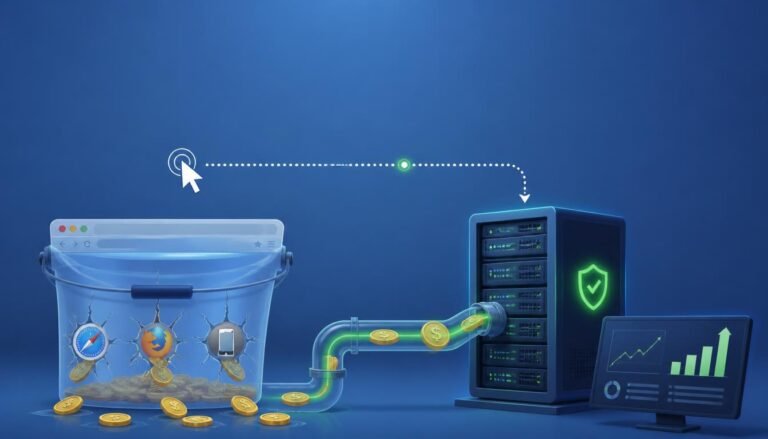
Using less invasive tracking methods, like server-side tracking, is a good approach. It’s more in line with privacy rules than traditional cookie tracking.
Also, keep your tracking methods up to date with new rules. This helps avoid legal trouble and keeps your audience happy.
As data privacy rules keep changing, staying informed and flexible is essential. By focusing on compliance and ethical tracking, affiliate marketers can build a lasting and trustworthy business.
Future Trends in Affiliate Link Tracking
The world of Affiliate Link Tracking is on the verge of a big change. This change comes from new tech and rules about privacy. We’re seeing new ways to track links that will shape the industry.
Emerging Technologies
New tracking methods are coming to deal with cookie-blocking and privacy browsers. Server-side tracking and identity resolution are becoming popular. They help marketers keep track of links even when things change.
Affiliate Marketing Evolution
Affiliate marketing is also changing, focusing more on optimizing links and performance. Brands need to be quick to keep up with these shifts.
By using the latest tracking tech, marketers can lead the way. They can also make the most of their affiliate marketing efforts.