The Critical Reason Your Affiliate Emails Are Going to Spam: Complaint Rate Explained
Disclosure: Some links on this page may be affiliate links. If you buy through them, I may earn a commission at no extra cost to you. I only recommend what I’d use myself. Read the full disclosure.
You send an email, open your dashboard the next morning, and the numbers look off. Opens are down, and a chunk of your list never even saw the message because it landed in spam. If this keeps happening, it’s not bad luck — it’s your complaint rate, and inbox providers are watching it more closely than ever in 2026.
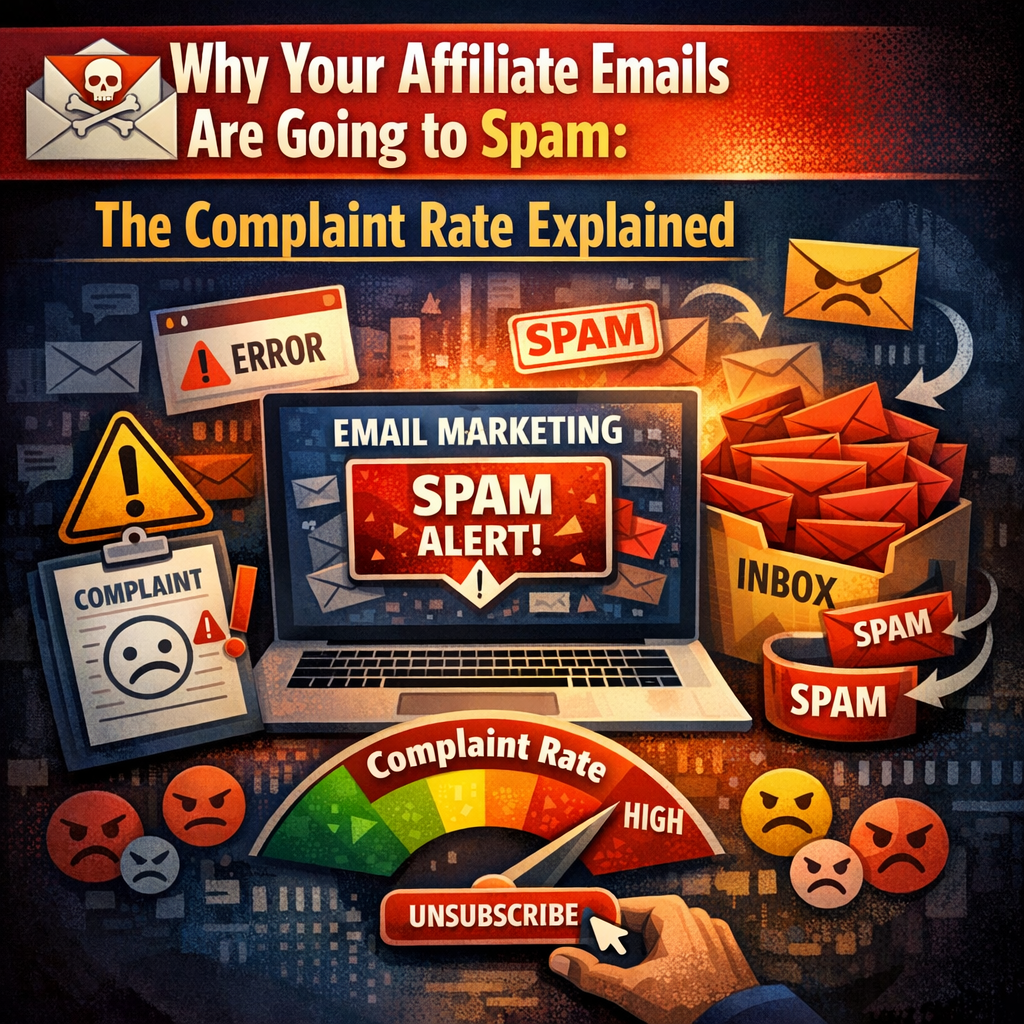
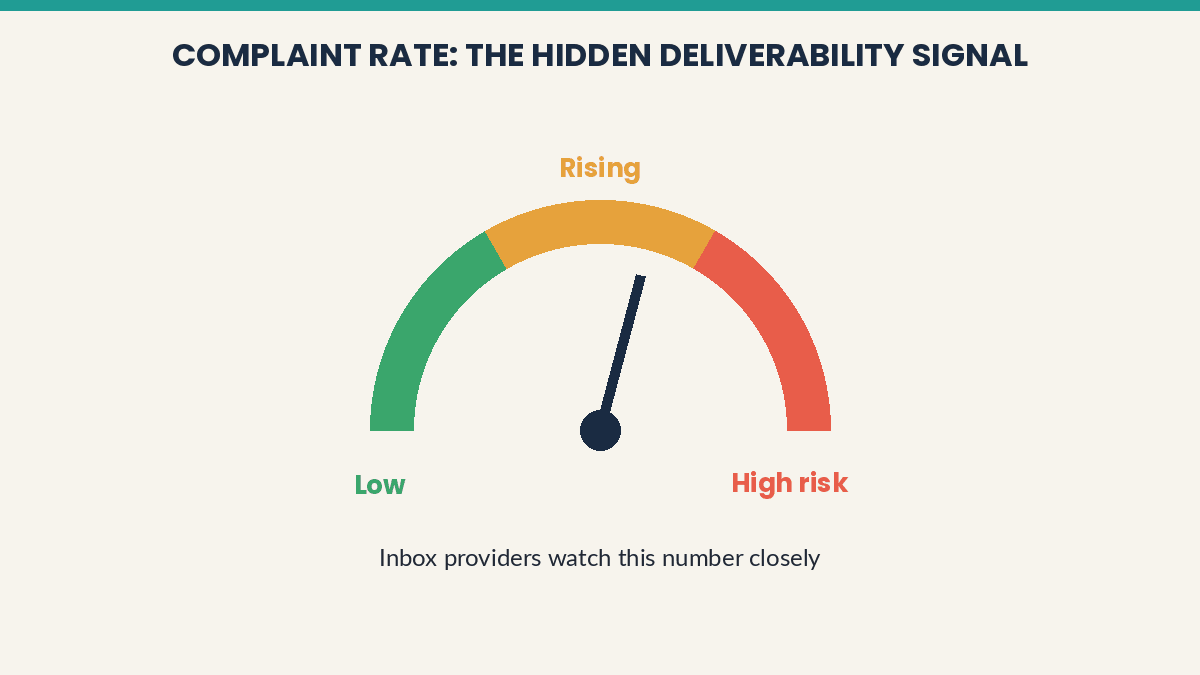
Complaint rate is the percentage of recipients who click “report spam” instead of unsubscribing. It sounds like a small metric, but for affiliate marketers sending regular promotional email, it’s become one of the biggest levers inbox providers use to decide whether your messages land in the inbox or get buried. This guide breaks down why affiliate emails are going to spam right now, how complaint rate actually works, and what you can do to fix it. If you’re still building out your email marketing strategy from scratch, it’s worth fixing this before you scale sending volume.
In This Article
Why Complaint Rate Matters More Than It Used To
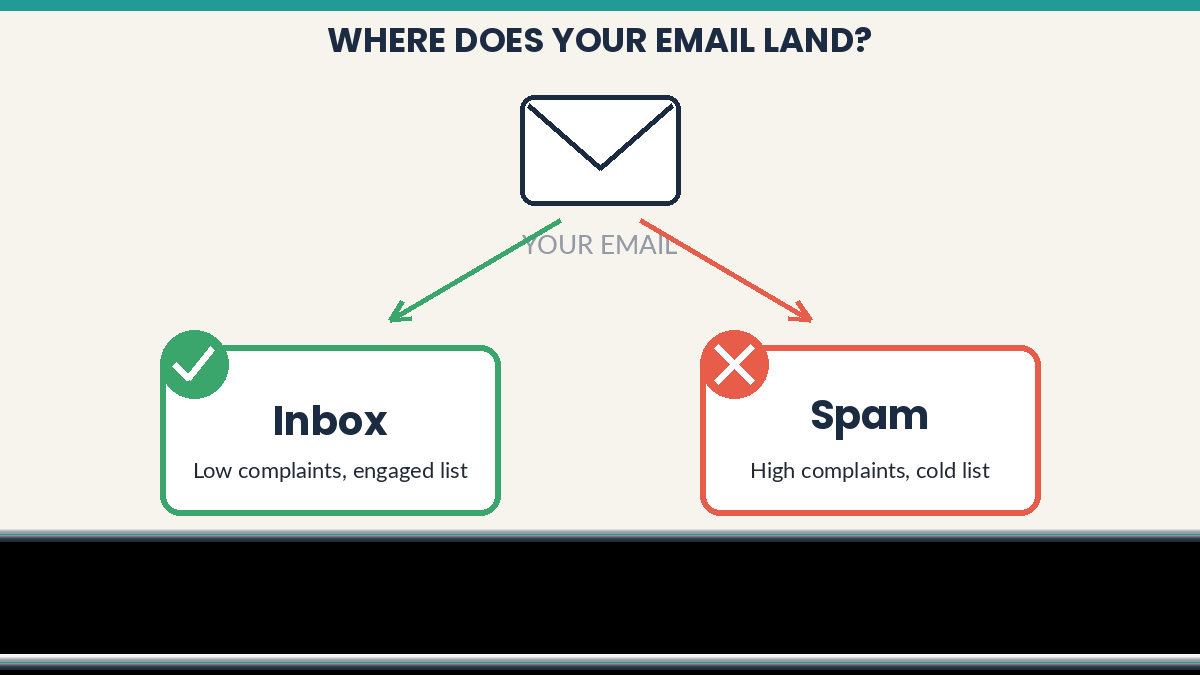
For years, affiliate marketers focused mostly on authentication — SPF, DKIM, DMARC — as the ticket to inbox placement. That still matters, but it’s no longer enough on its own. Inbox providers like Gmail and Yahoo have shifted toward engagement-based filtering, meaning they look at how real humans respond to your mail, not just whether your domain is properly configured.
A properly authenticated sender who still generates a lot of spam complaints will still get filtered. Authentication proves you are who you say you are. It doesn’t prove your content is wanted. That distinction is why so many affiliate lists that pass every technical check are still landing in spam in 2026.
What Counts as a “Spam Complaint,” Really
A complaint isn’t just someone marking your email as spam because they hate it. In practice, a meaningful share of complaints come from people who simply don’t remember subscribing, can’t find your unsubscribe link fast enough, or find it easier to hit “report spam” than to dig through your footer. Every one of those counts against you the same way a genuine spam report does.
This is why complaint rate is really a proxy for friction and relevance. If people are annoyed, confused, or simply don’t recognize your brand in their inbox, they complain instead of unsubscribing. Inbox providers don’t care about your intent — they care about the behavior your email produces.
Common Reasons Affiliate Emails Trigger Complaints
Sending Too Often to People Who Barely Signed Up
If someone joined your list for a single lead magnet and now gets a promotional email every day, complaints climb fast. Affiliate lists built around a free download or quiz tend to have looser intent than lists built around an ongoing relationship, so the sending cadence needs to match that.
Weak Sender Recognition
If your “From” name doesn’t clearly match what the subscriber remembers, that unfamiliarity alone increases the odds of a spam click. A generic sender name, a name that changes between sends, or a brand identity that doesn’t match your landing page all create the kind of hesitation that leads to a complaint instead of a scroll-past.
No Easy, Obvious Way to Leave
When unsubscribing is buried, small, or requires multiple steps, some subscribers won’t bother looking for it. They’ll just report the email instead. This is one of the easiest things to fix and one of the most commonly ignored.
Mismatched Expectations From the Opt-In
If your opt-in promised a specific type of content and your actual sends are mostly promotional affiliate offers, the gap between what was promised and what’s delivered shows up as complaints. This is especially common on lists grown through content upgrades or checklists that don’t clearly set expectations for ongoing email.
How to Actually Lower Your Complaint Rate
Segment by Engagement, Not Just Interest
Subscribers who haven’t opened anything in months are far more likely to complain than to convert. Separating active subscribers from dormant ones, and sending less frequently — or differently — to the dormant group, reduces the number of people who see your email as unwanted noise.
Make One-Click Unsubscribe Actually One Click
Put the unsubscribe link where it’s easy to find, and make sure it works without extra steps, logins, or surveys. The FTC’s CAN-SPAM Act already requires you to honor opt-out requests within 10 business days, so a working one-click unsubscribe isn’t just good practice, it’s the legal baseline. A subscriber who can leave in one click has no reason to complain instead.
Set Expectations at Signup
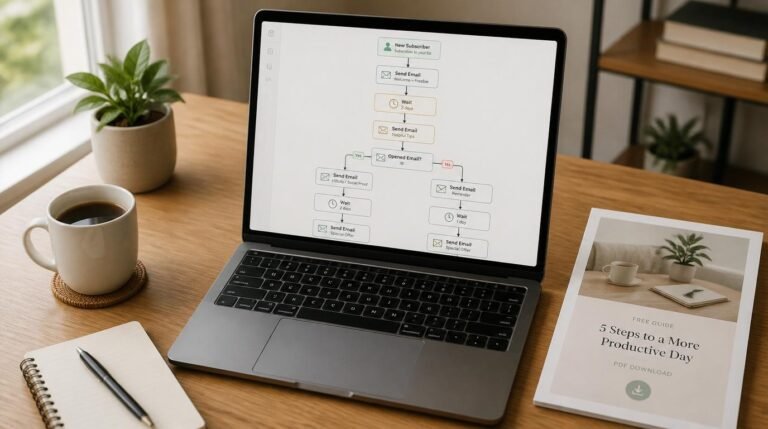
Tell people what kind of email they’re signing up for and roughly how often they’ll hear from you. This single step does more to prevent future complaints than almost anything you do after the fact, because it filters out the mismatch before it happens. If you’re building this out from scratch, it helps to map the full sequence a new subscriber goes through rather than sending sporadic one-offs — our welcome sequence ideas are a good starting point for structuring that first stretch of emails, and pairing them with a reliable lead magnet delivery flow keeps the very first email from being the one that triggers a complaint.
Clean Your List on a Schedule
Subscribers who haven’t engaged in six months or more are dead weight that quietly drags your reputation down. Removing or re-permissioning them protects the deliverability of the emails going to everyone else on your list.
Watch Your Postmaster Tools Data
Gmail’s Postmaster Tools and similar dashboards from other providers show your complaint rate directly, often before you’d notice a problem just by watching open rates. Checking this regularly means you catch a rising complaint rate while it’s still a minor issue, not after your deliverability has already collapsed.
What a Healthy Sending Pattern Looks Like
Affiliate senders with low complaint rates tend to share a few habits: consistent sender identity, clear and repeated context for why the subscriber is hearing from them, a visible unsubscribe link in every send, and a sending frequency that roughly matches what was promised at signup. None of this is complicated, but it requires actually treating your list as people who opted in for a reason, not just as a distribution channel for offers.
If your current sends still feel ad hoc, mapping them against a proper email funnel makes it much easier to keep frequency and relevance consistent. It’s also worth remembering that a smaller, more engaged list will usually outperform a larger, disengaged one — both in complaint rate and in actual affiliate revenue. Growing a list is only useful if the people on it still want to hear from you.
Frequently Asked Questions
What complaint rate should I be aiming for?
Inbox providers generally want complaint rates kept very low — well under what most senders assume is “fine.” Rather than chasing a specific number, focus on keeping the trend flat or declining over time, and treat any noticeable spike as a signal to investigate immediately.
Can one bad email campaign hurt my whole sending reputation?
Yes. A single send that generates a wave of complaints can affect how your subsequent emails are filtered, sometimes for days or weeks afterward. This is part of why testing subject lines and offers on a smaller segment before a full send is a reasonable precaution.
Does authentication (SPF, DKIM, DMARC) still matter if engagement is the real factor?
Yes, authentication is still required groundwork. It won’t fix a complaint problem on its own, but without it, even a well-engaged list can run into delivery issues. Think of authentication as the entry requirement and engagement as what determines your ongoing placement.
Is it better to remove inactive subscribers or try to win them back first?
Generally, a re-engagement attempt first, followed by removal for those who still don’t respond, gives you the best of both. This protects your sender reputation while still giving dormant subscribers a fair chance to opt back in before they’re cut.
Closing Thoughts
Complaint rate isn’t a vanity metric — it’s one of the clearest signals inbox providers use to decide whether your affiliate emails deserve a place in the inbox. The fix isn’t complicated: send to people who actually want to hear from you, make leaving easy, and keep your list clean. Do that consistently, and spam folder placement stops being a mystery you’re troubleshooting after the fact.
Niche → offer → SEO cluster → Pinterest pins → first clicks. No fluff.