
Amazon Associates Changes 2026: 5 Reasons to Stay
Disclosure: Some links on this page may be affiliate links. If you buy through them, I may earn a commission at no extra cost to you. I only recommend what I’d use myself. Read the full disclosure.
The Amazon Associates changes of 2026 hurt, and you have every right to be angry. You built pages. You wrote reviews. You trusted a program that never promised you anything. Then the rules changed again. I’m not going to tell you it didn’t hurt. I’m going to tell you something harder: the pain points at a real problem, and the fix is better than the old way ever was. Stay with me for a few minutes. Then decide.
Table of Contents
What Changed in the Amazon Associates Program in 2026?
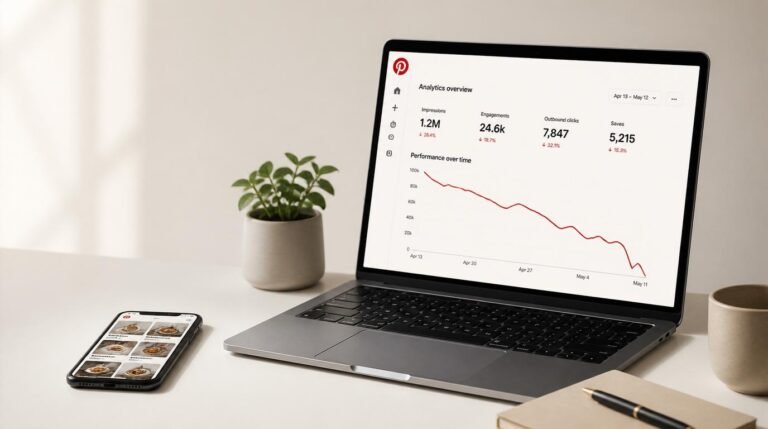
Amazon updated the Associates Operating Agreement on April 14, 2026. Commission now applies only to the linked product or its direct variants, purchases must ship, stream, or download and be paid for within 180 days, and every page linking to Amazon needs original commentary. Some publishers also report rate cuts of up to 50%.
Let’s stick to facts, because rumors have flooded every affiliate forum. The three rule changes above are the official part. Then there’s the second layer, and it’s the one that stings. Publishers report Amazon affiliate commission rates falling from 10% to 4% or 5% in some categories. Reports also say milestone bonuses are gone and reporting tools got worse. Amazon never announced any of it publicly, so treat these percentages as publisher-reported figures, not official numbers.
Amazon’s side of the story is short. A spokesperson told Adweek the changes affect a tiny fraction of associates. You can believe that or not. Either way, the direction is clear.
Watch: The Amazon Influencer Commission Changes Weren’t What I Expected (YouTube) is a creator’s breakdown of how the commission cuts are playing out.
Why Affiliates Are Skeptical of Amazon’s Commission Cuts
You’ve heard this pitch before. Someone says a painful change is “actually an opportunity.” Then you lose money anyway. So let me be fair to you. Amazon is not your friend. It’s a company protecting its margins. Some publishers say they heard that Associates leaders had orders to cut program costs by 20%. That’s not a gift. That’s a budget line.
The pain is real, too. Some creators report income drops around 25%. Nobody gets to wave that away.
But here’s what skeptics miss. You can be right that Amazon acted out of self-interest. You can also be right that the result favors you. Both things are true at once. The rest of this post is about the second one.
Reason 1: Why the Old Amazon Affiliate Model Was Already Dying
Think about how most affiliate sites made money for years. Rank on Google. Get a click. Send it to Amazon. Collect a cut. That pipeline had two weak points. Google controlled the top. Amazon controlled the bottom. You sat in the middle with no leverage.
Now look at what’s happening up top. One publishing CEO said Google’s AI Overviews are cutting organic traffic while Amazon pays less at the bottom. That’s a squeeze from both ends, and it started before April 14.
So ask yourself an honest question. Was your old model going to survive anyway? If your whole business was “rank, click, pray,” the answer is probably no. The Amazon Associates commission cuts didn’t kill a healthy model. They exposed a fragile one. Finding that out in 2026 beats finding out in 2029.

Reason 2: How the Original Content Requirement Rewards Real Affiliate Work
Let’s talk about the original commentary rule. Many affiliates hate it. I think it’s the best thing in the update. Here’s why.
A page that only drops links has no reason to exist. A reader learns nothing. Google’s systems learn nothing. Amazon already has the same product page. Here is the test I use on every affiliate page: if Amazon’s own listing says the same thing, the page has no reason to rank. Google’s guidance on writing high quality reviews points the same way, and it even addresses reviews that use affiliate links.
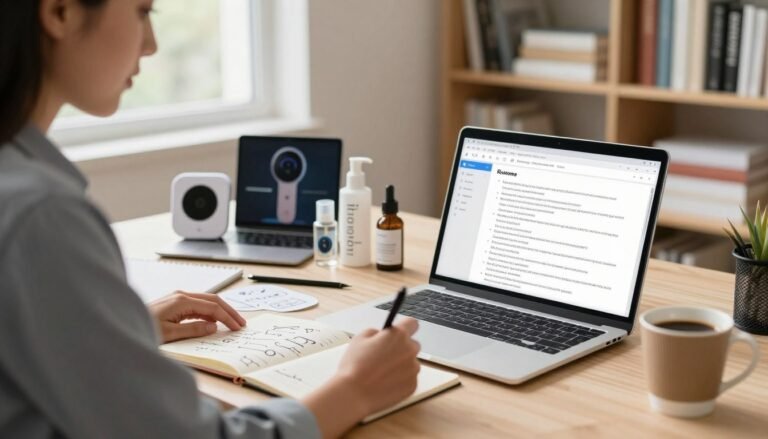
A page with real testing is different. Picture a reviewer who ran twelve vacuums over the same pet hair. She timed each one. She photographed the dust bins. That page gives the reader something new. It gives search engines something to rank. And it gives AI tools something to cite.
The new rule pushes you toward exactly that work. It forces you to build the thing that survives every algorithm change. You can resent the rule. Or you can notice that it hands an edge to anyone willing to do the work. Most of your competitors won’t. That’s the point.

Reason 3: Why Relying on Amazon Associates Alone Is Not a Business Plan
Here’s the emotional truth that experienced affiliates know and rarely say. Depending on one company’s checks is terrifying. You feel it every time you open the dashboard. You feel it when a rate changes without notice. You feel it when a report goes missing. That fear never came from the 2026 changes. It was always there. This year just made it loud.
Analysts call these the biggest Amazon affiliate commission changes since the 2020 cuts. That makes this the second big shock in about six years. There will be a third.
Now think about what that means. If Amazon can reshape your income twice in six years, you don’t own that income. You rent it. Renters can’t plan. Renters can’t borrow against future earnings. Renters wake up at night. The cuts gave you a clear signal. Stop renting. Start owning your audience.
Reason 4: Which Affiliates Did Amazon’s Commission Cuts Hit Hardest?
Here’s a detail that gets buried in the angry threads. The cuts were not equal. Publishers with longstanding Amazon relationships kept better terms. Paid-media-driven affiliate businesses took the hardest hit. One publisher even cut its 2026 Amazon revenue forecast in half.
Read that again. The pain landed hardest on people buying traffic. It landed softest on people with long track records. That tells you what Amazon wants. It wants audiences that arrive on their own. It doesn’t want to subsidize arbitrage.
If you’re an arbitrage shop, that’s bad news. I won’t pretend otherwise. But if you’ve built trust with real readers, the message is good. The program is shrinking its tolerance for shortcuts. Your edge just got wider. A smaller field of competitors is a gift to the ones who stay. Every shortcut-taker who quits leaves you more room.
Reason 5: How to Diversify Affiliate Income Beyond Amazon Associates
Now for the part you can act on today. Amazon’s public rate table still shows 2020 numbers. The deepest cuts hit big accounts with custom deals. Small sites may feel the new rules more than a rate cut.
Either way, the move is the same. Spread your bets. Some analysts note that Awin, Impact, and direct brand programs often pay more per click in home, apparel, and electronics. That’s not a guarantee. It’s a reason to test these alternatives to Amazon Associates. Even Amazon is widening where you can promote it: YouTube now lets eligible U.S. creators tag Amazon products directly, which gives video reviewers a new path from content to commission.
Think about it like a farmer. One crop can wipe you out in a bad season. Five crops can’t. Here’s a simple starting plan:
- Audit your top 20 pages. Find the ones with real original value. Protect those first.
- Fix the thin pages. Add your own photos, tests, or opinions. Or delete them.
- Test two other networks. Pick products you already review. Compare earnings per click using this guide to the best affiliate networks.
- Pitch brands directly. A reviewer with real readers can negotiate. A link-dropper can’t.
- Start an email list today. It’s the one audience Amazon and Google can’t take, and you can build your list for free with a system you control.
None of this is glamorous. All of it works.

What Successful Affiliates Do Differently After Amazon Rule Changes
Talk to people who’ve done this for ten years. They don’t panic at changes. They shrug and adjust. Why? Because they stopped treating Amazon as the business. They treat it as one revenue stream. Their readers come back by name. Their emails get opened. Their reviews show up when people ask AI tools for advice.
For them, April 14 was an irritation. For everyone else, it was a crisis. The difference wasn’t luck. It was preparation. Affiliates Haven builds its whole approach on repeatable systems instead of hacks, and that mindset is what separates the prepared from the panicked.
A rule change hurts most when your whole business sits on one rule. You can still become one of the prepared. It takes months, not years.
Is Building Beyond Amazon Worth It When Your Income Already Dropped?
Let’s take on the best argument against all this. It goes like this: “Easy for you to say. My income dropped. Philosophy doesn’t pay rent.”
You’re right. It doesn’t. But look at your two options.
Option one is to wait for Amazon to reverse course. There’s no sign of that. The company is running a cost-cutting playbook, and it just worked.
Option two is to act on the pain you already feel. Use it as fuel. Use it to finally build the audience, the list, and the brand you kept putting off. Waiting costs you more every month. Building starts paying you back within one quarter, if you do it right.
The hostile reader wants to dismiss all of this as spin. Fine. Dismiss the tone. Keep the facts. Amazon cut rates. Amazon tightened content rules. Amazon favored established, real audiences. Every one of those facts points the same way. Build something Amazon can’t switch off.
Gear for Creating Original Amazon Affiliate Reviews
Original testing needs decent photos, video, and audio. These are the tools I’d start with. As an Amazon Associate I earn from qualifying purchases.
- They Ask, You Answer by Marcus Sheridan: A practical book on answering the exact questions buyers type into Google, which is the foundation of review content that ranks.
- USB condenser microphone: Clear voiceover turns a written review into a video review you can publish on YouTube.
- LED ring light with tripod: Even lighting makes your own product photos and test footage look professional, and proves the product was actually in your hands.
- Smartphone tripod with remote: Hands-free filming lets you run timed comparisons the way the vacuum reviewer did.
Amazon Associates 2026 FAQ
What changed in the Amazon Associates program in 2026?
Amazon’s updated Operating Agreement took effect April 14, 2026. It added a 180-day window for purchases to ship, stream, or download and be paid for. It limited onsite commission to the same ASIN variant as the linked product. It also expanded disqualified purchases to include customers referred through paid or boosted ads, and it added a definition of original content. You can read the full list on Amazon’s “What’s Changed” page.
Did Amazon cut Associates commission rates by 50%?
Adweek reported cuts of up to 50% for some publishers, based on seven publishers and partners with direct knowledge. Amazon never announced them. Amazon’s public rate table appears unchanged, so the deepest cuts seem to have hit larger accounts with custom deals.
What counts as original content under the new Amazon Associates rules?
Amazon’s updated terms define original content as material that contains commentary, analysis, or transformation that adds value. Your own testing, photos, comparisons, and opinions all fit. A page that only lists links and product titles does not.
Should I quit Amazon Associates?
No. Treat it as one revenue stream, not the whole business. Keep your best original pages earning there while you test other networks, pitch brands directly, and grow an email list.
What are the best alternatives to Amazon Associates?
Awin, Impact, CJ, and direct brand programs are the usual starting points, and they often pay more per click in home, apparel, and electronics. This guide to the best affiliate networks for beginners is a good place to compare them.
Do I still need to disclose Amazon affiliate links?
Yes. The FTC requires clear disclosure of material connections, and the responsibility sits with you as the publisher, per its influencer disclosure guidance. Amazon also requires its own Associate statement.
How do I protect my income from the next Amazon change?
Audit your top pages for original value, add a second and third income source, and build an email list you own. Do those three things and the next rule change becomes an irritation instead of a crisis.
Your Next Move After the Amazon Associates Changes
Amazon is going to rewrite the Associates rules again. It has done it twice in six years, and nobody there will call you first. The Amazon Associates changes of 2026 were your warning, so stop refreshing the dashboard and use it. Open your analytics today, mark your five best pages, and sign up for one non-Amazon affiliate network before the weekend. You have 48 hours.
Niche → offer → SEO cluster → Pinterest pins → first clicks. No fluff.