10 Powerful Beginner-Friendly Affiliate Niches
Beginner-friendly affiliate niches sound easy until you pick one that has no buyers, no content angles, and commissions that make a vending machine look generous. That is the problem. The pain gets worse when you publish for months and realize your niche attracts readers who browse but never buy. The better move? Pick a niche where product research, buyer intent, comparison content, and trust all line up before you write the first post.
I have seen beginners chase “passion niches” that barely monetize, then blame affiliate marketing for the mismatch. TBH, the niche usually failed before the website launched. The right niche does not just give you blog ideas. It gives you product angles, email lead magnets, comparison tables, tutorials, buyer objections, and a real path to make money online without acting like a guru with rented screenshots.
Table of Contents
- Quick Answer: What Makes a Beginner Affiliate Niche Work?
- The Selection Framework: How I Judge Affiliate Niche Ideas
- 10 Beginner-Friendly Affiliate Niches With Real Monetization Potential
- Niche Research: How to Validate Demand Before You Build
- Advanced Tactics: Build a Niche Moat Beginners Usually Miss
- Video Training: Affiliate Marketing for Beginners
- Common Mistakes That Kill Easy Affiliate Niches
- FAQ: Beginner-Friendly Affiliate Niches
- My Top Recommended Gear
Quick Answer: What Makes a Beginner Affiliate Niche Work?
Beginner-friendly affiliate niches work when they combine simple content creation, clear buyer intent, enough products to recommend, low-to-moderate competition, and repeatable search demand. The best niches let beginners write reviews, comparisons, tutorials, and problem-solving articles without needing advanced credentials or massive startup costs.
What separates a profitable beginner niche from a content treadmill? The answer hides in intent. A reader searching “best standing desk for small apartments” has a wallet-adjacent problem. A reader searching “why am I tired” may need medical guidance, not your affiliate link. That distinction sounds small, but it decides whether your blog becomes an asset or a hobby with hosting bills.
The Federal Trade Commission expects creators to disclose affiliate relationships clearly when endorsements could affect consumer decisions, so trust cannot sit at the bottom of your site like a forgotten sock. You need disclosure, useful content, and honest recommendations working together from day one. The FTC’s disclosure guidance gives a practical baseline for how transparent affiliate content should look.
The Selection Framework: How I Judge Affiliate Niche Ideas
Want the blunt test I use before I touch a niche? I ask whether the reader has a problem, a product path, and a reason to trust a non-famous publisher. If the niche fails one of those three, I move on. Beginners do not need harder markets. They need cleaner markets.
Does the niche have buyer intent or just curiosity?
Curiosity creates traffic. Buyer intent creates revenue. A keyword like “minimalist desk setup ideas” can attract readers, but “best budget monitor arm for small desks” moves closer to purchase behavior. That is why affiliate blogging works best when informational content feeds commercial content. You educate first, then recommend when the recommendation feels earned.
This is also why evergreen affiliate niches often outperform trend-chasing sites over time. A durable niche gives you questions that repeat every month: best tools, safest options, cheaper alternatives, beginner mistakes, setup guides, and product comparisons.
Can a beginner create credible content without faking expertise?
Some topics demand credentials. I would not tell a new blogger to build a site around clinical treatment claims or complex tax advice unless they can support that content with qualified expertise. Google’s Search Quality Rater Guidelines place heavy emphasis on experience, expertise, authoritativeness, and trust for sensitive topics, especially “Your Money or Your Life” content. Google’s helpful content guidance also rewards content that serves people first rather than search engines first.
The better beginner play: pick niches where first-hand testing, clear research, comparison logic, and practical tutorials carry the content. You do not need a PhD to compare beginner microphones, budget SEO books, dog travel accessories, camping gadgets, or productivity apps. You do need honesty.
10 Beginner-Friendly Affiliate Niches With Real Monetization Potential
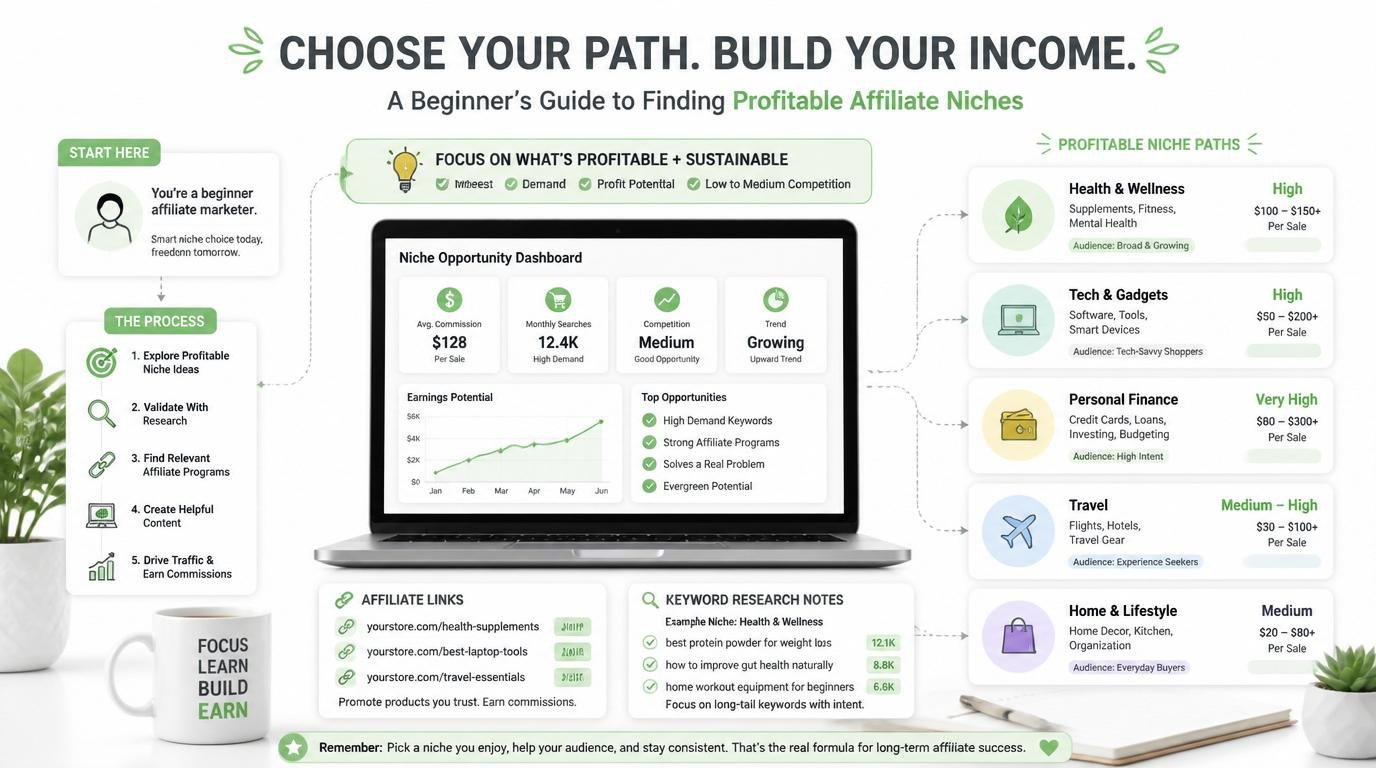
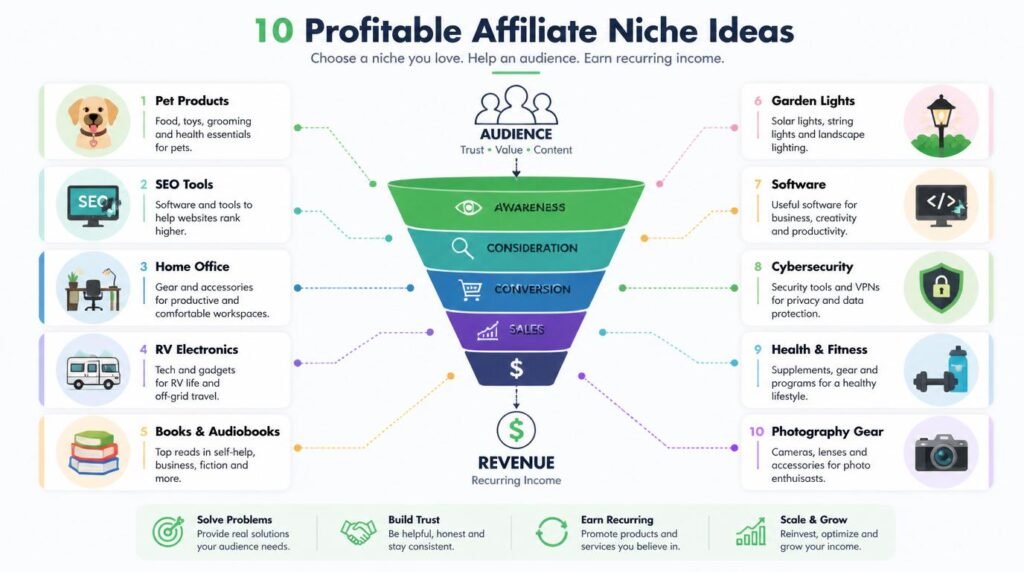
Which niches give beginners the best mix of content volume, commercial intent, and realistic credibility? These ten stand out because they support tutorials, reviews, comparison posts, listicles, seasonal updates, and email lead magnets. IMO, that mix matters more than chasing the highest commission rate.
1. Home office upgrades for small spaces
Remote work created steady demand for desks, chairs, lighting, webcams, monitor arms, microphones, planners, and productivity tools. This niche works because buyers often search with specific constraints: small apartment, budget setup, back pain, dual monitor, video calls, cable management, and ergonomic comfort.
The monetization path feels natural. You can write “best compact standing desks,” “webcam lighting setup for Zoom,” “home office checklist for beginners,” and “cheap ergonomic upgrades under $50.” Amazon products, office supply retailers, software tools, and productivity books all fit.
2. Beginner SEO and blogging tools
Affiliate marketing for beginners often starts with content, and content needs tools. Keyword research platforms, WordPress themes, hosting, SEO plugins, grammar tools, analytics tools, and content planning systems all create affiliate opportunities. The caveat: this niche has competition. The way around that? Narrow the angle.
Instead of “best SEO tools,” target “best SEO tools for new affiliate blogs,” “Rank Math setup for beginners,” or “cheap keyword research tools for affiliate blogging.” This connects perfectly with your broader content ecosystem and supports internal links to articles like what is the best niche for affiliate marketing.
3. Pet accessories for specific pet owners
Pet products convert because buyers care emotionally and purchase repeatedly. But “pets” feels too broad. Better angles include dog travel gear, apartment cat enrichment, senior dog comfort, puppy training supplies, or RV-friendly pet accessories.
Why does this work for beginners? You can create simple, helpful content around product fit: size, safety, durability, cleaning, portability, and price. You can also build seasonal content around summer travel, winter walks, holiday gifts, and moving with pets.
4. Outdoor solar and garden lighting
Solar path lights, motion lights, string lights, and garden lighting kits create strong product-led content. Readers want practical answers: how many lights, where to place them, how bright they should be, how long batteries last, and which models survive rain.
This niche also rewards visual content. Comparison tables, installation guides, troubleshooting posts, and before-and-after images give you a clear edge. If you like seasonal planning, connect this with seasonal affiliate niche ideas because outdoor products spike around spring, summer, holidays, and home improvement cycles.
5. RV, truck, and road-trip electronics
This niche has buyer intent baked into the search behavior. People search for dash cams, GPS units, tire pressure monitors, backup cameras, power stations, solar panels, Wi-Fi boosters, and 12V appliances because they need the gear before a trip or upgrade.
The insider angle: beginners should avoid broad “RV lifestyle” content at first and focus on problem-led electronics queries. “Best backup camera for truck camper” beats “RV tips” because the first phrase reveals a product need, a vehicle type, and a purchase path.
6. Online learning and skill-building tools
Courses, books, certification platforms, note-taking apps, and learning gear create a strong niche because people invest in self-improvement when the outcome feels specific. Think coding for beginners, language learning, Excel skills, AI tools, copywriting, public speaking, or career-change learning paths.
This niche monetizes through course platforms, books, software, and study products. The trust angle matters, though. Recommend based on learner fit, difficulty level, refund policies, support, and real use cases. Do not promise dream outcomes. Promise clarity.
7. Personal productivity and planning
Planners, notebooks, time-blocking tools, habit trackers, desk timers, project management apps, and focus tools make this niche friendly for beginners. The content angles practically write themselves: morning routines, ADHD-friendly planning, student productivity, solopreneur workflows, content calendars, and weekly review systems.
The myth: productivity has no money because people want free tips. Wrong. Readers often test multiple systems before finding one that sticks. That creates room for comparison content, templates, app reviews, and physical product roundups.
8. Budget creator gear
YouTube, podcasting, blogging, TikTok, and social media marketing all require basic gear. Beginners search for affordable microphones, tripods, lights, webcams, editing software, teleprompter apps, and screen recording tools.
This niche works because the audience stands where you stand: trying to improve output without burning cash. You can build content around “starter kits,” “under $100,” “small room setup,” “phone filming gear,” and “creator tools for affiliate marketers.” That makes recommendations feel useful instead of forced.
9. Kitchen tools for specific diets or cooking styles
Kitchen content gets competitive fast, but specific angles still work: air fryer meals for one, non-toxic cookware, meal prep containers for busy parents, baking tools for beginners, coffee gear for small kitchens, or cast iron care kits.
The product depth here is excellent. You can recommend physical products, cookbooks, storage tools, digital meal plans, and specialty ingredients. The content also supports Pinterest, YouTube Shorts, and comparison posts, which gives you more traffic routes than Google alone.
10. Beginner personal finance tools with careful positioning
This niche can pay well, but beginners need discipline. Avoid exaggerated claims. Focus on budgeting apps, savings trackers, beginner investing education, money books, debt payoff planners, and financial literacy tools. Keep advice general, cite reputable sources, and avoid pretending to act as a licensed financial advisor.
The U.S. Securities and Exchange Commission offers investor education resources that can support responsible content when you discuss investing basics. Investor.gov gives readers a safer place to verify core investing concepts before they buy any tool, book, or course.
Niche Research: How to Validate Demand Before You Build
What if your niche sounds great but the market does not care? That is where niche research saves your budget, your schedule, and your sanity. I want demand signals before I buy a domain, write a content plan, or build a lead magnet.
Are people already buying products in this niche?
Search Amazon, Google Shopping, YouTube, Reddit, and affiliate networks. Look for repeated product questions, complaints, comparisons, and “best for” searches. If people argue about which product solves the problem best, you probably found a monetizable conversation.
Also check whether the niche contains multiple offer types. A strong niche has physical products, software, books, courses, templates, or services. That mix protects you if one affiliate program cuts commissions. Amazon Associates famously adjusts category rates from time to time, so do not build your whole business on one merchant.
Can you create 50 useful articles without repeating yourself?
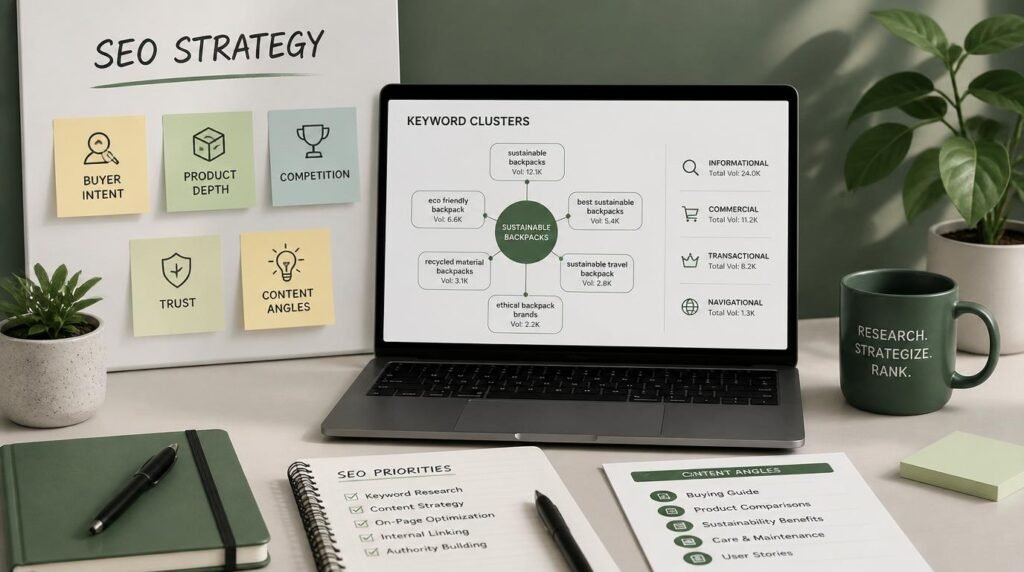
Here is my fast test: list 10 reviews, 10 comparisons, 10 tutorials, 10 problem-solving posts, and 10 beginner mistakes. If I cannot reach 50 ideas quickly, the niche may not support a serious affiliate blog.
For example, “budget creator gear” easily supports microphones, lighting, cameras, tripods, backdrops, editing apps, desks, storage, acoustic panels, and starter kits. “Blue ceramic mugs” does not. Ngl, specificity helps SEO, but microscopic niches can starve your content engine.
Advanced Tactics: Build a Niche Moat Beginners Usually Miss
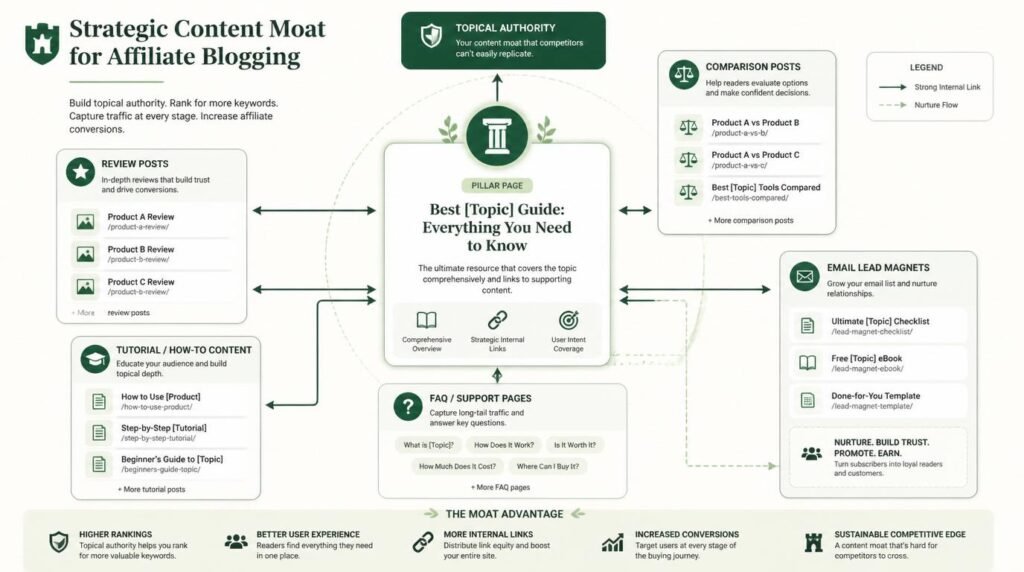
The counterintuitive move: do not start with product reviews. Start with problem ownership. Reviews convert better after readers already trust your diagnosis of their problem. That trust compounds when your site feels like a decision system, not a pile of random posts.
How do you build topical authority without publishing fluff?
Create a hub-and-spoke structure. Your hub explains the niche, buyer journey, product categories, beginner mistakes, and decision criteria. Your spokes answer narrow questions: best budget option, best premium option, alternatives, setup guide, troubleshooting, safety, maintenance, and comparison posts.
This structure helps readers move from confusion to decision. It also helps search engines connect entities across your site. A home office niche can connect ergonomics, webcams, lighting, desks, productivity apps, cable management, remote work, and video calls. That entity map beats isolated articles.
What content ratio should a beginner affiliate blog use?
I like a balanced mix: 60% informational, 30% commercial, and 10% trust-building content. Informational posts bring readers in. Commercial posts monetize. Trust-building content explains your testing process, editorial standards, disclaimers, and how you choose recommendations.
Research on affiliate disclosures has shown that many creators fail to disclose affiliate relationships clearly, which damages trust and can create compliance risk. A peer-reviewed study on YouTube and Pinterest affiliate disclosures found low disclosure rates and user confusion around short disclosure language. That research backs the practical rule I use: disclose plainly, early, and often enough that readers never feel tricked.
Video Training: Affiliate Marketing for Beginners
If you prefer seeing the whole affiliate model mapped visually, this Ahrefs training gives a strong foundation. It covers niche selection, affiliate programs, keyword research, content planning, and link building in a structured way.
Expert Commentary: Ahrefs earns the embed here because the video connects niche choice to search intent and content planning, not just “grab links and hope.” Watch the niche and keyword sections first if you want the fastest payoff.
Common Mistakes That Kill Easy Affiliate Niches
Why do beginners pick decent affiliate niche ideas and still get nowhere? Usually, they confuse “easy to start” with “easy to win.” A niche can look beginner-friendly and still punish lazy positioning.
Are you choosing the niche or copying someone else’s income screenshot?
Income screenshots sell dreams. Search intent pays bills. Never choose a niche because a creator claims they made five figures from it. Choose it because you can see demand, content depth, product variety, and a realistic angle where your site can become useful.
Another mistake: building only “best product” posts. Those pages matter, but they need support. Write setup guides, mistake posts, alternatives, troubleshooting articles, and comparison pages. Then connect them with internal links so your reader never hits a dead end.
Are you ignoring your own unfair advantage?
Your unfair advantage might be language, location, work background, hobbies, budget constraints, or personal testing. A beginner who lives in a small apartment can create better small-space home office content than a generic review site. A road-trip enthusiast can explain truck electronics better than a content farm. Experience does not need to look glamorous. It needs to look real.
FAQ: Beginner-Friendly Affiliate Niches
What are the best beginner-friendly affiliate niches for a new blog?
The best beginner-friendly affiliate niches for a new blog include personal finance tools, beginner tech, home office gear, pet products, software tutorials, health accessories, hobbies, online learning, travel planning, and productivity tools. These niches work because beginners can create helpful content without needing expert credentials.
How do I choose a profitable affiliate niche as a beginner?
Choose a profitable affiliate niche by checking buyer intent, product availability, recurring content demand, commission potential, keyword difficulty, and your ability to explain the topic clearly. A good beginner niche gives you many comparison, review, tutorial, and problem-solving article ideas.
Are easy affiliate niches still profitable in 2026?
Easy affiliate niches can still be profitable in 2026 when you avoid broad markets and target specific audience problems. A small niche with clear buyer intent often beats a huge market where beginners compete against authority sites with bigger budgets.
Which affiliate niches should beginners avoid?
Beginners should avoid niches that require professional credentials, carry high legal risk, lack enough products, or depend only on viral traffic. Examples include advanced medical advice, aggressive financial claims, gambling, adult products, and ultra-broad markets like fitness or wealth without a focused angle.
Can I make money online with affiliate blogging in a small niche?
Yes, you can make money online with affiliate blogging in a small niche when the niche has products people already buy and questions people already search. Small niches often convert better because the reader’s problem feels specific, urgent, and easier to solve.
My Top Recommended Gear
- Affiliate Program Management: An Hour a Day — I recommend this book for beginners who want to understand affiliate partnerships from a business angle, not just from the publisher side. View on Amazon
- SEO 2026 by Adam Clarke — I recommend this type of current SEO book for beginners who need a plain-English reference while building affiliate blogging systems. View on Amazon
- Content Inc. by Joe Pulizzi — I recommend this for affiliate publishers because it teaches audience-first content strategy before product promotion. View on Amazon
If you want the fastest practical path, pick one niche from this list, build a 50-topic map, and publish around one reader problem for 90 days. Do not build ten sites. Do not chase every affiliate network. Build one trust asset that helps a specific reader make a better buying decision.
Disclaimer: This post contains affiliate links. As an Amazon Associate, I may earn a commission from qualifying purchases at no additional cost to you. I only recommend products I’ve personally tested or rigorously researched.