10 Smart Seasonal Affiliate Niche Ideas to Try
Disclosure: Some links on this page may be affiliate links. If you buy through them, I may earn a commission at no extra cost to you. I only recommend what I’d use myself. Read the full disclosure.
Most affiliates chase seasonal affiliate niche ideas the wrong way — they panic-publish content two weeks before Black Friday, wonder why they’re buried on page seven of Google, and then blame “the algorithm.” Sound familiar? Here’s the real problem: seasonal niches aren’t about reacting to trends. They’re about anticipating them with surgical precision, months in advance. The affiliates who bank five figures during Q4 aren’t lucky — they’re strategic. I’ve spent over a decade building and advising on SEO affiliate blogs, and I’m going to hand you the exact seasonal playbook I use. No fluff, no vague “just find your passion” advice. Just ten proven niches, the timing frameworks behind them, and the affiliate content strategy that actually moves the needle.
Table of Contents
- What Are Seasonal Affiliate Niches (And Why They Print Money)?
- The Timing Framework: When to Publish Seasonal Content
- 1. Holiday Gift Guides (Q4 Goldmine)
- 2. Tax Preparation & Financial Software (Q1)
- 3. New Year Fitness & Weight Loss (January)
- 4. Valentine’s Day & Romance Gifts (February)
- 5. Spring Gardening & Outdoor Living (March–May)
- 6. Back-to-School Supplies & Tech (July–September)
- 7. Summer Travel & Camping Gear (May–August)
- 8. Wedding Season Planning (Spring–Summer)
- 9. Fall Home Improvement & Winterization (September–November)
- 10. Allergy Season Health Products (March–June)
- The Stacking Strategy: Building Year-Round Income
- FAQ
- My Top Recommended Gear
What Are Seasonal Affiliate Niches (And Why They Print Money)?
Seasonal affiliate niches are content and product categories that experience predictable, recurring spikes in consumer demand tied to specific times of the year — holidays, weather shifts, cultural events, or annual milestones. Unlike evergreen niches that deliver steady traffic, seasonal niches concentrate buyer intent into compressed windows, which means higher conversion rates and fatter commission checks during peak periods.
Here’s what most “guru” content won’t tell you: seasonal niches aren’t inferior to evergreen ones. They’re different tools in the same toolbox. I’ve watched affiliates earn more in a single November than they made in the previous nine months combined — because they understood the psychology of seasonal buying. When someone searches “best gifts for dad Christmas 2025,” they’re not browsing. They’re reaching for their wallet. That’s buyer-intent traffic at its purest, and it converts at rates that make evergreen informational content look sluggish by comparison.
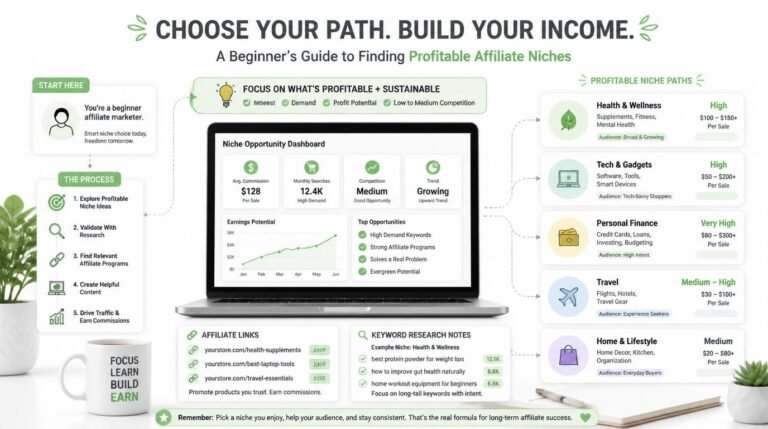
The key distinction? Profitable affiliate niches in the seasonal category require front-loaded effort. You build the content early, let Google index and rank it, and then harvest when the season hits. If you want to understand how seasonal strategies complement year-round approaches, I break down the fundamentals of picking a profitable affiliate niche in a separate deep dive.
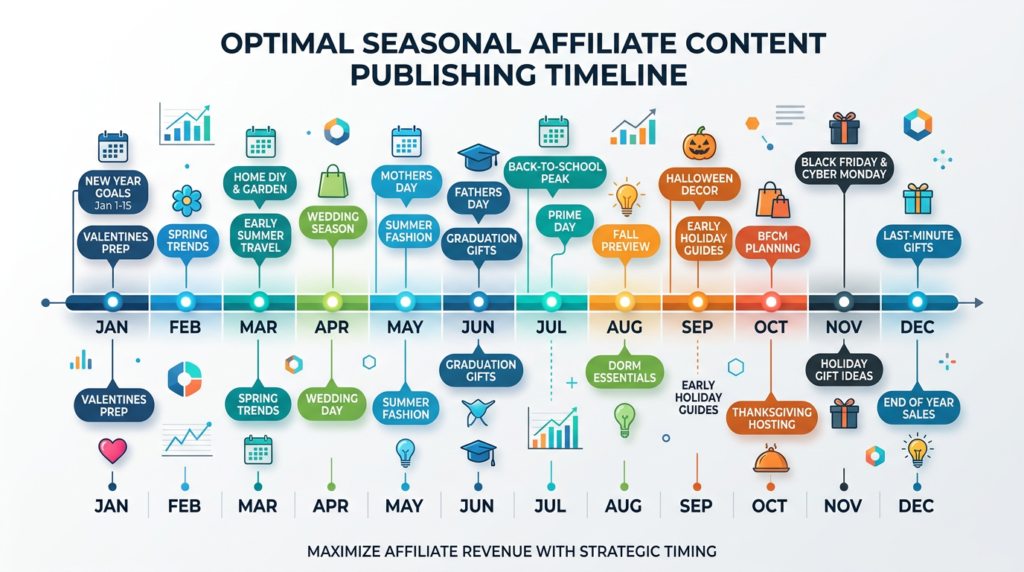
The Timing Framework: When to Publish Seasonal Content
This is where 90% of seasonal affiliates blow it. They treat content publishing like event planning — “Oh, Halloween is in October, better write something in September.” No. That’s a guaranteed way to get zero organic traffic when it matters most.
Here’s my rule of thumb, refined over years of testing:
- Major holidays (Christmas, Black Friday): Publish 3–4 months early. August or September at the latest.
- Mid-tier seasons (Back-to-school, Valentine’s Day): Publish 2–3 months early.
- Micro-seasons (Allergy season, Spring cleaning): Publish 6–8 weeks early.
According to Google’s own SEO documentation, new content can take weeks or even months to be properly crawled, indexed, and ranked. You’re not just fighting for rankings — you’re fighting for Google’s trust. The earlier you publish, the more signals (backlinks, engagement, click-through rates) your content accumulates before the traffic wave arrives.
1. Holiday Gift Guides (Q4 Goldmine)
Let’s start with the obvious heavyweight. Holiday gift guides remain the single most lucrative seasonal affiliate play, period. The U.S. Census Bureau reports that retail sales in November and December consistently account for roughly 20% of total annual retail revenue. That’s a massive spending surge, and affiliates who position themselves correctly capture a disproportionate share.
My approach? I don’t write generic “Best Christmas Gifts” posts anymore — the competition is absurd. Instead, I go hyper-specific: “Best Gifts for Nurses Under $50” or “Tech Gifts for Teenagers Who Already Have Everything.” These long-tail variations face dramatically less competition while attracting insanely qualified buyers. IMO, this single strategy has been more responsible for my Q4 earnings than anything else I’ve tried.
2. Tax Preparation & Financial Software (Q1)
January through mid-April is tax season, and millions of Americans scramble to find the right software, CPAs, or financial planning tools. TurboTax, H&R Block, and QuickBooks all run aggressive affiliate programs with solid commissions. What makes this niche particularly sweet is the urgency — taxes have a hard deadline, so procrastinators convert fast.
Write comparison posts (“TurboTax vs. H&R Block 2025”), how-to guides for freelancers, and “best free tax software” roundups. This is one of those affiliate marketing niches where a single well-ranked post can generate consistent income every single Q1 without much updating.
3. New Year Fitness & Weight Loss (January)
The “New Year, New Me” crowd is massive, motivated, and ready to spend. Home gym equipment, fitness apps, meal delivery kits, supplements, and workout programs all spike enormously in January. Here’s the insider angle most affiliates miss: don’t just target January. The research phase starts in late November and December, when people are already feeling guilty about holiday eating. Publish your content in October or early November.
If you’re weighing whether fitness counts as seasonal or year-round, check out my guide on evergreen affiliate niches to see how I blend both approaches for maximum coverage.
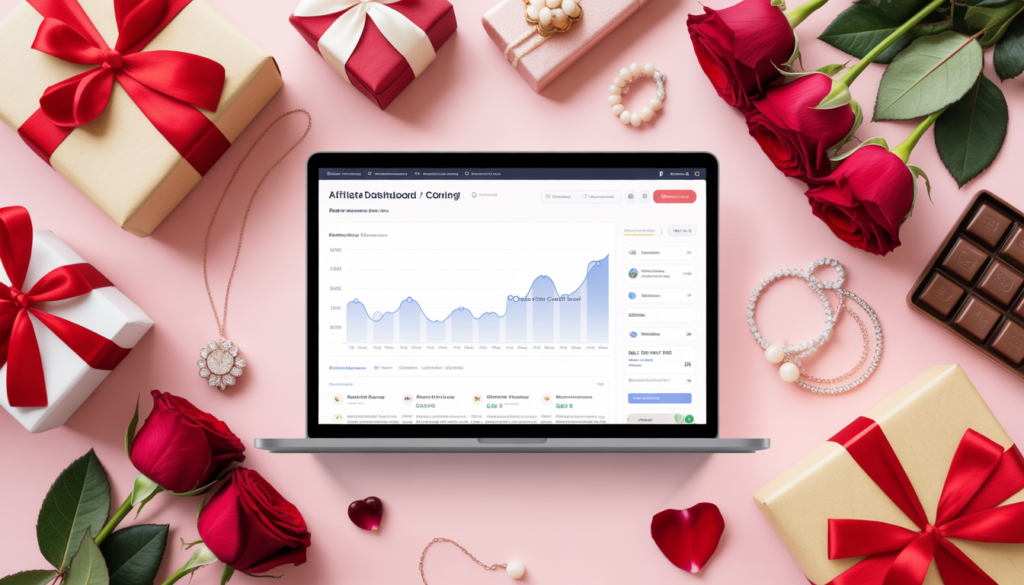
4. Valentine’s Day & Romance Gifts (February)
Valentine’s Day spending in the U.S. has topped $25 billion in recent years, according to the National Retail Federation. Jewelry, flowers, experience gifts, personalized items, and romantic getaways all convert beautifully. The window is tight (mostly late January through February 14), but the buyer intent is nuclear-grade. These people must buy something, or they’re sleeping on the couch.
5. Spring Gardening & Outdoor Living (March–May)
Gardening is a sleeping giant in affiliate marketing. Seeds, planters, soil amendments, power tools, raised garden bed kits, outdoor furniture — the product range is enormous and the commissions on larger items (think $300+ grills or patio sets) add up fast. Google Trends shows “gardening tips” and “best garden tools” spiking reliably every March through May. Write your content in January.
6. Back-to-School Supplies & Tech (July–September)
Parents spend hundreds — sometimes thousands — per child on back-to-school gear. Laptops, backpacks, dorm room essentials, calculators, school supplies, and clothing all get searched aggressively from mid-July through early September. This is one of those seasonal blog ideas that works especially well if you build category-specific guides: “Best Laptops for College Students 2025” or “Dorm Room Essentials Checklist.”
Want to know what really separates amateur affiliates from pros in this space? It’s understanding that back-to-school is actually two niches: K-12 parents (budget-focused, practical) and college students (tech-focused, lifestyle-driven). Serve both with dedicated content. For more on identifying the right angle, my breakdown on what is the best niche for affiliate marketing covers the decision framework in detail.
7. Summer Travel & Camping Gear (May–August)
Travel affiliate programs from Booking.com, REI, and various outdoor brands offer solid commissions, and the search volume for camping gear, travel accessories, and vacation planning explodes every summer. Here’s a myth I want to bust: you don’t need to be a “travel blogger” to profit from this niche. A focused SEO affiliate blog reviewing camping tents, portable grills, or hiking boots can outperform generic travel blogs because it targets specific product-intent keywords.
Expert Commentary: This video from Income School breaks down how to identify and validate niche ideas effectively — essential viewing if you want to apply data-driven thinking to your seasonal niche selection process.
8. Wedding Season Planning (Spring–Summer)
Weddings are a high-ticket affiliate niche that most marketers overlook. Couples spend an average of $30,000+ on weddings in the U.S., and they research everything online first — venues, dresses, invitations, registries, favors, photography equipment, and honeymoon destinations. The affiliate programs span dozens of verticals. Spring and summer represent peak wedding season, but couples start planning 12–18 months out, which gives you a wide content window.
Pro tip: target the wedding party, not just the couple. “Best Bridesmaid Gift Ideas” and “Groomsmen Gift Guide” posts convert remarkably well because these buyers are motivated by social obligation 🙂
9. Fall Home Improvement & Winterization (September–November)
As temperatures drop, homeowners scramble to weatherproof their houses. Space heaters, insulation products, snow blowers, gutter guards, programmable thermostats, and draft stoppers all see massive search spikes. Home Depot and Lowe’s affiliate programs, plus Amazon’s vast catalog, make monetization straightforward. The beauty of this niche? The products tend to be mid-to-high ticket, pushing your average commission per sale well above the typical Amazon affiliate payout.

10. Allergy Season Health Products (March–June)
Here’s an underrated gem. Tens of millions of Americans suffer from seasonal allergies, and they spend billions annually on air purifiers, HEPA filters, allergy medications, hypoallergenic bedding, and nasal rinse systems. The CDC reports that allergies are among the most common chronic conditions in the country. This niche has strong buyer intent, decent product prices, and relatively low competition compared to fitness or tech niches. Publish content in January, rank by March, and watch the conversions roll in through June.
The Stacking Strategy: Building Year-Round Income
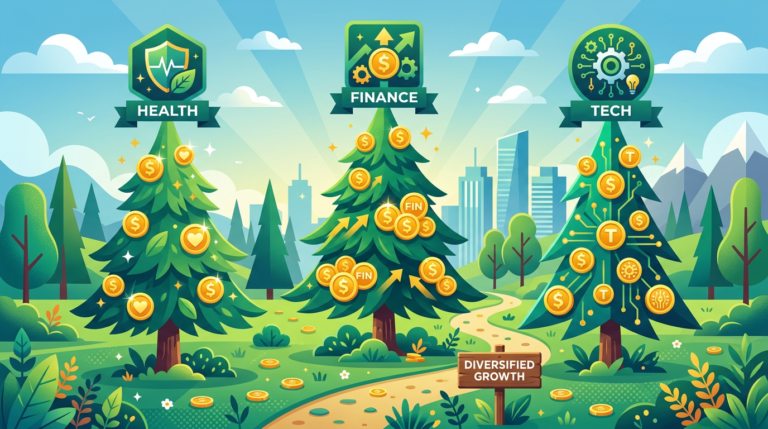
Here’s the advanced play that separates part-time hobbyists from full-time affiliate earners: stack your seasonal niches so that you have at least one peak period every quarter. If you combine tax prep (Q1), wedding/gardening (Q2), travel/back-to-school (Q3), and holiday gifts/winterization (Q4), you’ve essentially engineered year-round traffic surges on top of whatever evergreen content you’re already running.
I call this the “four-season portfolio” approach, and it’s the single most effective affiliate content strategy I’ve deployed across my own sites. You don’t need ten niches. You need four strong ones, timed correctly, with content published well ahead of each wave. Layer this on top of a solid evergreen foundation — which I cover in my guide to building a profitable affiliate niche — and you’ve built something genuinely resilient.
One final myth to bust: seasonal content isn’t “disposable.” A well-written “Best Christmas Gifts for Gamers” post, updated annually with fresh product picks, can rank and earn for years. I have seasonal posts from 2019 that still generate revenue every Q4 with nothing more than a 30-minute annual refresh. That’s compounding effort, and it’s how smart affiliates build real wealth over time. TBH, it’s one of the closest things to passive income I’ve found in this business.
FAQ
What are seasonal affiliate niches?
Seasonal affiliate niches are product or content categories that experience predictable spikes in consumer demand during specific times of the year, such as holidays, weather changes, or annual events. Affiliates create targeted content ahead of these peaks to capture high-intent search traffic and earn commissions.
How far in advance should I publish seasonal affiliate content?
You should publish seasonal affiliate content 2 to 4 months before the peak season. This gives search engines time to crawl, index, and rank your content before the traffic surge begins. For major holidays like Christmas, publishing in August or September is ideal.
Can I combine seasonal and evergreen affiliate niches?
Absolutely. The smartest affiliate marketers layer seasonal content on top of an evergreen foundation. This approach gives you consistent baseline traffic year-round while capitalizing on seasonal traffic spikes for higher earnings during peak months.
What are the most profitable seasonal affiliate niches?
Some of the most profitable seasonal affiliate niches include holiday gift guides, tax preparation software, back-to-school supplies, fitness and weight loss in January, outdoor and camping gear in summer, and wedding planning in spring. Profitability depends on commission rates, product prices, and search volume.
My Top Recommended Gear
If you’re building a seasonal affiliate blog, you need the right tools. Here are three products I personally use and recommend:
- SEO Keyword Research Tools & Guides — Understanding seasonal keyword trends is non-negotiable. I use dedicated SEO research tools daily to identify peak search periods and competition levels for every niche I target.
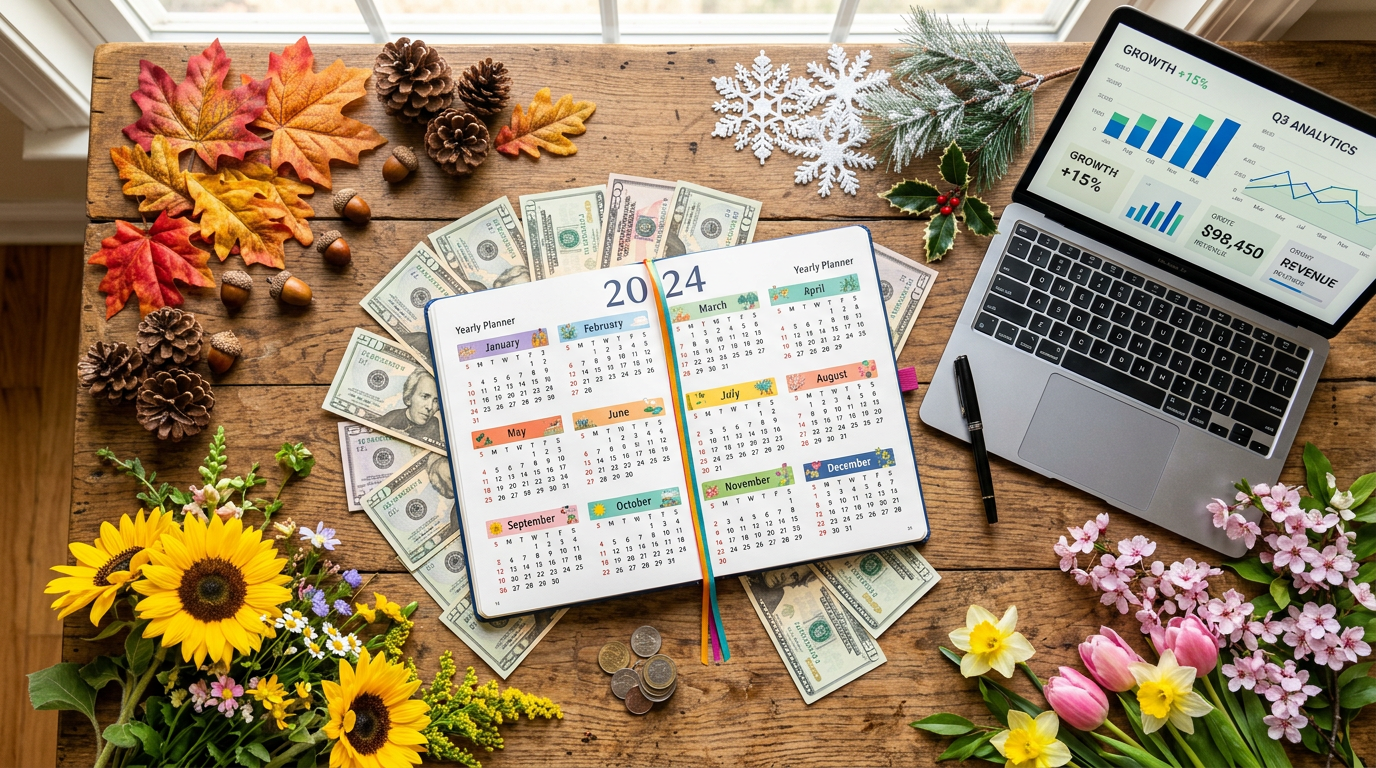
- Content Planning Calendar & Planner 2025 — A physical or digital editorial calendar keeps your seasonal publishing schedule on track. I map out all four quarters at the start of each year so nothing slips through the cracks.
- Affiliate Marketing Strategy Books — Even after 10+ years, I still read new material on niche marketing ideas and conversion optimization. A solid foundational book accelerates your learning curve dramatically.
Disclaimer: This post contains affiliate links. As an Amazon Associate, I may earn a commission from qualifying purchases at no additional cost to you.
Niche → offer → SEO cluster → Pinterest pins → first clicks. No fluff.